










Future Trends in Wearable Heating Systems: Technological Innovations for 2027 and Beyond
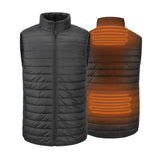
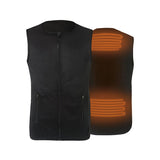
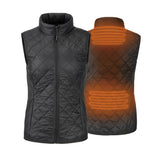
Wearable heating systems are entering a new phase. Today’s heated clothing already helps skiers, motorcyclists, outdoor workers, hikers and people sensitive to cold maintain comfort with rechargeable batteries and adjustable heat settings. But from 2027 and beyond, heated apparel is expected to become more adaptive, energy-efficient and seamlessly integrated into everyday clothing.
The next generation of heated clothing will not simply produce warmth at the touch of a button. It will increasingly sense the wearer’s body, respond to changing weather conditions, manage energy intelligently and combine active heating with advanced thermal fabrics.
For brands such as 30seven, this evolution creates an opportunity to make 30seven heated apparel more comfortable, practical and sustainable without compromising the reliability users expect in cold environments.
Table of Contents
- Why Wearable Heating Is Evolving
- Trend 1: Smarter Temperature Regulation
- Trend 2: Flexible and Textile-Based Heating Elements
- Trend 3: Smaller, More Efficient Power Systems
- Trend 4: Energy-Harvesting Heated Clothing
- Trend 5: Multi-Functional Smart Apparel
- Trend 6: More Sustainable and Repairable Designs
- What These Innovations Mean for 30seven
- Questions Fréquentes
- Chiffres Clés
- Conclusion
Why Wearable Heating Is Evolving
Traditional heated garments generally rely on three core components:
- A rechargeable battery or power bank
- Conductive heating elements
- A manual control system with several heat settings
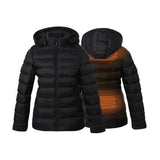
This approach is already effective. For example, current 30seven products use Novaheat technology, rechargeable lithium-ion batteries and push-button controls. Depending on the product and setting, 30seven heated gloves can provide several hours of warmth, while heated socks can offer extended low-power operation. citehttps://www.30seven.com/collections/men
However, users increasingly expect more than basic heat. They want heated jackets, heated gloves and heated socks that are:
- Lightweight and discreet
- Comfortable during movement
- Easy to wash and maintain
- Safe for extended use
- Efficient in changing weather
- Durable across multiple seasons
- Compatible with active lifestyles and connected devices
Research into smart textiles shows that future development will depend on combining materials science, flexible electronics, thermal engineering and ergonomic design. The challenge is not merely producing heat—it is delivering warmth without making clothing rigid, bulky or difficult to care for.
"Future heating textiles must improve functionality, wearability, aesthetics, mechanical flexibility and washability while maintaining effective thermal performance." — Progress in Flexible Electronic Textile for Heating Application: A Critical Review
Trend 1: Smarter Temperature Regulation
One of the most important developments after 2027 will be the transition from manually controlled heating to responsive thermal regulation.
Instead of selecting low, medium or high heat, future garments could automatically adjust warmth according to:
- Skin temperature
- External air temperature
- Wind chill
- Physical activity
- Humidity
- Heart rate or movement
- The wearer’s preferred comfort range
A person standing still at a ski lift may need more heat than someone actively skiing downhill. Similarly, an outdoor worker may require strong warmth during an early-morning start but less heating after physical activity increases body temperature.
Future wearable heating systems could use integrated temperature and motion sensors to identify these changes. The system would then adjust heating zones independently—for example, warming the hands and chest while reducing heat around areas where the body is already producing sufficient warmth.
This approach could improve comfort while also extending battery life. Rather than operating every heating zone continuously, the garment would deliver energy only where and when it is needed.
Why adaptive heating matters
| Traditional heated apparel | Adaptive heated apparel |
|---|---|
| Manual heat selection | Automatic temperature adjustment |
| Similar output across zones | Independent control by body area |
| Heat may remain on unnecessarily | Energy used only when required |
| Limited personalization | User-specific comfort profiles |
| Reactive control | Predictive thermal management |
Research published on personal thermal management highlights the growing importance of combining active heating, passive insulation and intelligent control systems in smart textiles. citehttps://link.springer.com/article/10.1007/s44258-025-00050-w
Trend 2: Flexible and Textile-Based Heating Elements
Future heated clothing will increasingly move away from rigid wires and bulky components. Instead, heating systems may be built directly into fabrics using:
- Conductive yarns
- Carbon-based materials
- Metallic nanowires
- Printed heating circuits
- Flexible conductive coatings
- Stretchable textile electronics
These solutions can distribute warmth more evenly and conform more naturally to the body. A flexible heating layer could be integrated into a jacket panel, glove back or sock without creating uncomfortable pressure points.
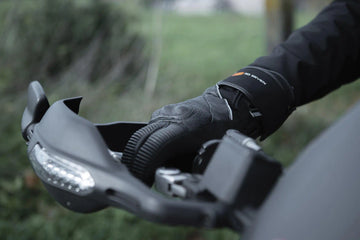
For winter sports enthusiasts, this could mean heated garments that move naturally during skiing, snowboarding or climbing. For motorcyclists, flexible heating zones could be designed to remain comfortable under protective equipment. For workers, conductive textile systems could reduce bulk beneath high-visibility or safety clothing.
The key challenge is durability. Conductive materials must withstand bending, stretching, moisture, abrasion and repeated washing. Future products will therefore need more robust encapsulation, removable electronics or modular designs that make maintenance easier.
Trend 3: Smaller, More Efficient Power Systems
Battery technology will remain central to wearable heating systems in 2027 and beyond. Heating requires more power than many other wearable functions, so improvements in energy density, charging speed and thermal safety will be essential.
Future batteries and power modules may become:
- Thinner and lighter
- More resistant to cold-weather performance loss
- Faster to recharge
- Easier to remove before washing
- More efficiently connected to multiple heating zones
- Safer under demanding outdoor conditions
At present, rechargeable batteries can add weight and limit garment flexibility. Recent research on smart sports textiles identifies conventional batteries as one of the major barriers to fully integrated smart clothing because they can be bulky and difficult to incorporate into textile structures. citehttps://pmc.ncbi.nlm.nih.gov/articles/PMC12716241
This is why modular power systems are likely to remain important. A removable battery can simplify washing, replacement and upgrades. It can also allow users to carry a spare battery for long days outdoors.
For 30seven heated apparel, the most practical future may not be a battery hidden permanently inside the garment. Instead, it may involve compact, interchangeable power modules that work across heated jackets, heated gloves, heated socks and other electric apparel.
Trend 4: Energy-Harvesting Heated Clothing
One of the most ambitious trends is the development of garments that supplement their batteries by collecting small amounts of energy from the environment or the wearer.
Potential energy sources include:
- Solar energy captured by flexible photovoltaic materials
- Body heat converted through thermoelectric systems
- Movement captured through piezoelectric or triboelectric materials
- Mechanical energy generated while walking or cycling
- Heat differences between the body and the surrounding air
These technologies are unlikely to replace rechargeable batteries completely in the short term, especially for high-output heated jackets or heated gloves. However, they could extend battery life by powering sensors, maintaining standby functions or reducing the frequency of recharging.
For example, a future heated jacket might use flexible solar elements on the shoulders or back to support low-power sensors during daylight. A heated sock could potentially integrate movement-based energy harvesting to power monitoring functions during walking.
"Textile-based energy systems are being developed around photovoltaic, piezoelectric, thermoelectric, triboelectric and supercapacitor technologies, although commercialization and power output remain important challenges." — Wiley, Textile-Based Energy Harvesting and Storage Devices for Wearable Electronics
The most realistic future is therefore a hybrid system: rechargeable battery power supported by energy harvesting.
Trend 5: Multi-Functional Smart Apparel
The heated clothing of the future may combine thermal comfort with other wearable functions. A single garment could potentially include:
- Temperature monitoring
- Moisture detection
- Activity tracking
- Air-quality sensing
- Fall detection
- Health and wellness data
- Smartphone connectivity
- Emergency alerts
- Integrated lighting or visibility features
This could be particularly useful for outdoor workers, long-distance cyclists, winter sports participants and people exposed to changing weather conditions.
Imagine a heated jacket that detects a drop in skin temperature, identifies reduced movement and increases warmth automatically. Or consider heated gloves that monitor temperature around the hands and notify the wearer when the system needs recharging.
However, more technology does not automatically mean a better product. Smart apparel must remain intuitive. Users should be able to control essential functions directly from the garment, even when wearing gloves or operating in poor weather.
30seven’s existing approach—simple push-button controls and removable heating components—illustrates why usability remains as important as innovation. citehttps://www.30seven.com/collections/men
Trend 6: More Sustainable and Repairable Designs
Sustainability will become a defining factor in heated apparel innovation. Electronic clothing combines textiles, batteries and conductive components, making end-of-life recycling more complex than for conventional garments.
Future designs will increasingly focus on:
- Removable batteries
- Replaceable heating elements
- Repairable wiring and connectors
- Durable outer materials
- Longer product lifecycles
- Recyclable or lower-impact fabrics
- Modular upgrades instead of full garment replacement
A modular heated sock, for example, could allow the heating element or battery to be replaced without discarding the entire sock. A heated jacket could be designed with accessible electronic compartments and replaceable control units.
This approach benefits both customers and manufacturers. Users can maintain products for longer, while brands can reduce waste and build stronger long-term relationships with customers.
Thermoregulating textiles may also help reduce energy consumption by combining active heating with passive insulation, moisture management and heat-reflective materials. citehttps://www.sciencedirect.com/science/article/pii/S1385894724025270
What These Innovations Mean for 30seven
For 30seven, the future of heated apparel is likely to be defined by a balance between innovation and practicality.
The brand already combines rechargeable power, adjustable heating and performance-oriented materials across products such as heated gloves and heated socks. Its use of removable heating elements, external batteries and technical textiles provides a foundation for future development. citehttps://www.30seven.com/collections/men
Potential areas of evolution include:
| Innovation area | Possible future benefit for 30seven customers |
|---|---|
| Adaptive heating zones | More precise comfort and longer battery life |
| Flexible conductive textiles | Better freedom of movement |
| Modular batteries | Easier replacement, charging and maintenance |
| Advanced sensors | Automatic response to body and weather conditions |
| Energy harvesting | Extended operation between charges |
| Replaceable heating modules | Longer product lifespan |
| Connected controls | Personalized settings through a mobile device |
| Improved insulation | Less energy required to stay warm |
A useful example is a winter commuter wearing a 30seven heated jacket during a cold morning ride. The garment could begin with moderate chest heating, detect increased movement and gradually reduce output while maintaining warmth in the hands. On a stationary train platform, it could increase heating again. The user would experience consistent comfort without constantly adjusting the controls.
This kind of intelligent assistance should support the wearer—not distract from the activity.
📊 Approximately 5–6 hours on low heat and 2–3 hours on high heat, depending on the product - Current 30seven heated glove battery performance
📊 Up to 24 hours on low power and up to 8 hours on the highest setting, according to listed product specifications - Current 30seven heated sock battery performance
The Main Challenges Before 2027 and Beyond
Despite the promise of advanced wearable heating, several obstacles remain.
Battery limitations
Heating consumes significant energy. New materials may improve efficiency, but high-performance systems will still require dependable power sources.
Washability
Electronic components must be protected without making garments stiff or difficult to clean. Removable modules and improved encapsulation will be essential.
Cost
Conductive yarns, sensors, advanced batteries and smart textile manufacturing can increase production costs. Wider adoption will depend on scalable manufacturing.
Safety and reliability
Future heating systems must control temperature accurately, resist moisture and provide dependable operation in demanding environments.
User experience
A garment can be technologically impressive but commercially unsuccessful if it is difficult to use. Controls, charging, maintenance and sizing must remain simple.
Questions Fréquentes
What will heated clothing look like in 2027?
Heated clothing in 2027 is likely to become lighter, more flexible and more responsive. Many products may combine conductive textiles, improved batteries, temperature sensors and modular electronic components. However, traditional rechargeable systems will likely remain common because they are reliable and familiar to users.
Will future heated jackets adjust temperature automatically?
Some future heated jackets may use temperature, movement and environmental sensors to adjust heating automatically. Instead of applying the same heat level everywhere, they could manage different zones independently according to the wearer’s activity and comfort needs.
Will heated clothing generate its own electricity?
Energy-harvesting textiles may supplement rechargeable batteries by collecting energy from sunlight, movement or body heat. They are unlikely to provide all the power needed for high-temperature heating in the near term, but they could extend battery life and support sensors.
Will smart heated apparel be washable?
Washability will remain a key design priority. The most practical solutions are likely to include removable batteries, detachable heating modules, protected conductive pathways and fabrics engineered to withstand repeated cleaning.
Why are modular heating systems important?
Modular systems make heated apparel easier to repair, maintain and upgrade. Users can replace a battery or heating element without replacing the entire garment, which may improve product longevity and reduce waste.
Chiffres Clés
📊 3 main control components define most current heated apparel systems: a rechargeable battery, conductive heating elements and a user control interface.
Source: 30seven product information and smart textile research
⚡ 5–6 hours of low-temperature heating are listed for selected 30seven heated gloves, compared with approximately 2–3 hours on high heat.
Source: 30seven product specifications
🧦 Up to 24 hours of low-power operation are listed for selected 30seven heated socks.
Source: 30seven product specifications
🔋 11.3% projected CAGR is reported for the wearable energy-harvesting electronics market between 2025 and 2034 by one 2026 market analysis.
Source: Growth Market Reports
📊 11.3% projected CAGR from 2025 to 2034 - Wearable energy-harvesting electronics market growth
Conclusion
The future of wearable heating systems will be shaped by more than hotter heating elements. From 2027 and beyond, the most successful heated clothing will combine intelligent temperature regulation, flexible textile electronics, efficient batteries, energy harvesting and sustainable modular design.
For users, this could mean heated gloves that respond automatically to changing conditions, heated jackets that feel more like ordinary outerwear and heated socks that provide precise warmth without unnecessary bulk.
The technology will continue to evolve, but the essential priorities will remain unchanged: comfort, safety, reliability and performance in cold conditions. 30seven’s foundation in rechargeable heating, practical controls and performance-focused apparel places the brand in a strong position to contribute to this next generation of 30seven heated apparel.
Explore the current 30seven heated clothing range and discover how today’s technology is already making cold-weather comfort more practical.


