



How to Layer Heated Apparel for Extreme Cold Weather Hiking in Northern Europe

Winter hiking across Northern Europe can be breathtaking—but exposed ridgelines, freezing rain, strong winds and long periods of inactivity can quickly turn a comfortable adventure into a serious cold-weather challenge. The right layering system helps you regulate body temperature, manage sweat and stay protected when conditions change.
For extreme cold weather hiking in Norway, Sweden, Finland, Iceland and the wider Nordic region, heated clothing can add targeted warmth to a traditional layering system. The key is to use heated apparel as part of a complete system—not as a replacement for moisture management, insulation or weather protection.
This guide explains how to layer heated apparel effectively for extreme cold weather hiking in Northern Europe, with practical advice for choosing heated jackets, heated base layers, heated gloves and heated socks.
📊 Moisture-wicking base layer + insulation + weatherproof shell + targeted heated apparel - Recommended layering principle
Table of Contents
- Why Layering Matters in Northern Europe
- The Ideal Heated Clothing Layering System
- How to Layer Heated Apparel Step by Step
- Heated Gloves and Heated Socks for Cold Extremities
- How to Manage Heat During Activity
- Northern European Conditions to Prepare For
- Practical Safety and Battery Tips
- Frequently Asked Questions
- Key Statistics
- Conclusion
Why Layering Matters in Northern Europe
Northern European weather can change rapidly. A clear morning in the mountains may become windy, snowy or wet within hours. Coastal Norway can combine cold temperatures with rain and powerful gusts, while inland areas of Sweden and Finland may experience dry, deeply freezing conditions.
A single thick jacket is rarely the most practical solution for hiking. It can cause overheating during uphill sections and leave you cold once sweat accumulates or activity slows. A layered system gives you more control.
The traditional three-layer approach includes:
- A base layer to move moisture away from the skin.
- An insulating layer to trap warm air.
- An outer shell to block wind, rain and snow.
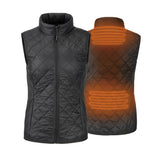
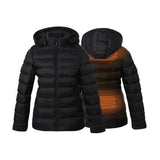
Heated apparel adds a fourth dimension: controlled warmth in the areas that tend to cool first, such as the core, hands, feet, lower back and kidneys.
“Overheating is a dangerous threat since excessive moisture isn’t allowed to escape and can freeze.”
"Cold-weather hikers should use adjustable layers and moisture-wicking fabrics to manage heat and moisture" — American Hiking Society
The Ideal Heated Clothing Layering System
The most effective system for extreme cold is flexible rather than bulky. Each layer should have a specific job and fit comfortably over the layer beneath it.
| Layer | Main purpose | Recommended approach |
|---|---|---|
| Base layer | Moves sweat away from the skin | Merino wool or technical synthetic fabric |
| Heated base layer or vest | Adds targeted warmth | Use over a thin base layer, not directly over wet skin |
| Mid layer | Traps body heat | Fleece, wool or lightweight synthetic insulation |
| Heated jacket | Provides adjustable core warmth | Wear beneath a shell when weather is wet or windy |
| Outer shell | Blocks wind, rain and snow | Waterproof and breathable hiking shell |
| Hands and feet | Protects vulnerable extremities | Heated gloves, mittens, heated socks and insulated boots |
The order may vary depending on the product design. A heated base layer belongs close to the body, while a heated jacket is generally more versatile over a moisture-wicking base layer and beneath a weatherproof shell.
Why the fit matters
Layers work by trapping air. If an outer garment compresses your fleece or insulation, it can reduce warmth. Conversely, clothing that is too loose may allow cold air to circulate around your body.
Before a long hike, test your complete system with:
- Your backpack fully loaded
- Your hiking harness or hip belt
- Gloves and trekking poles
- The shell jacket zipped and hooded
- Battery packs placed in their intended pockets
You should be able to raise your arms, use trekking poles and access your pockets without pulling the heated elements out of position.
How to Layer Heated Apparel Step by Step
Step 1: Start with a dry, moisture-wicking base layer
The first layer should sit comfortably against your skin without restricting movement. Merino wool and technical synthetics are common choices because they can help manage moisture better than cotton.
Avoid cotton for extreme cold hiking. Once wet, it dries slowly and can make you feel colder during rest stops or exposed sections.
Step 2: Add heated apparel for targeted warmth
Heated apparel is most effective when used proactively. Do not wait until your hands or core are already painfully cold before switching it on.
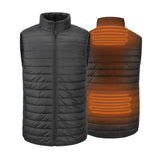
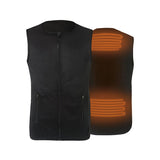
For the torso, a heated jacket or heated base layer can provide warmth around key areas such as the neck, shoulders, kidneys and lower back, depending on the model. These garments are designed to be thin and lightweight, with multiple heating levels. Always check the specific product instructions before setting out.
Place the battery where it will remain protected from snow and moisture while still being easy to access. A pocket close to the body may help preserve battery performance in cold conditions, but never place a battery directly against wet skin.
"Heated clothing includes heated jackets with multiple heating zones, adjustable heat levels and power-bank operation"
Step 3: Add a breathable insulating mid layer
Your mid layer should trap warmth without trapping excessive sweat. Fleece, wool and synthetic insulated garments are practical choices.
For active hiking, use a lighter mid layer while moving and carry a warmer insulated jacket for breaks. Down can offer an excellent warmth-to-weight ratio in dry conditions, while synthetic insulation is often more forgiving in damp environments.
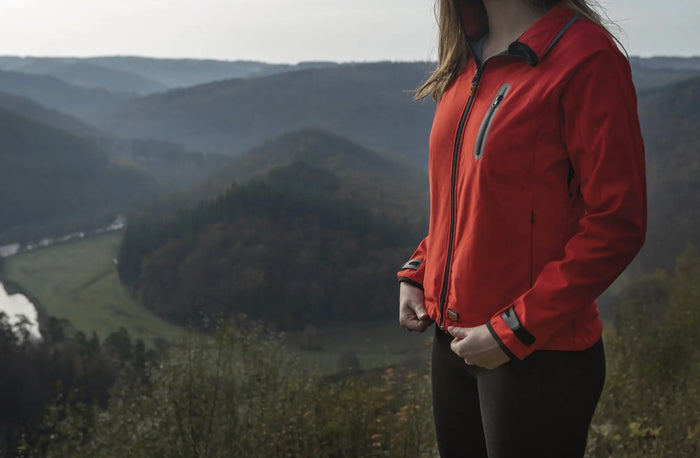
Step 4: Finish with a windproof and waterproof shell
Northern European wind can remove body heat quickly, even when temperatures do not appear extreme. Your outer shell should protect the full layering system from wind, rain and snow.
Choose a shell with enough room to cover the heated apparel and insulation beneath it without compressing them. Look for:
- Adjustable cuffs
- A helmet-compatible or well-fitting hood
- Ventilation zippers
- Waterproof construction
- A high collar
- Space for unrestricted arm movement
Heated Gloves and Heated Socks for Cold Extremities
Your hands and feet often need a separate strategy because they can become cold even when your core feels comfortable.
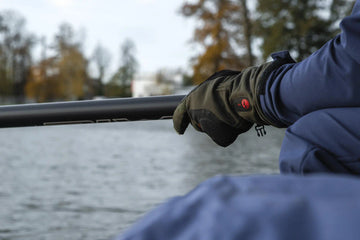
Heated gloves and mittens
For technical hiking, heated gloves can help maintain dexterity when you need to use trekking poles, adjust equipment or operate a phone. Mittens generally provide more warmth because the fingers share heat, but gloves may offer better precision.
Heated gloves and mittens are available with rechargeable batteries and multiple heat settings. Some models use heating zones across the back of the hand, fingers and fingertips.
"Heated gloves and mittens offer rechargeable batteries, multiple heat levels and heating zones designed for cold-weather comfort"
Heated socks and footwear
Heated socks can be particularly useful during slow-paced hikes, winter photography, northern lights excursions and extended rest periods. However, thick socks should not make your boots tight.
A good foot system includes:
- A moisture-managing liner or single technical sock
- Heated socks if additional warmth is required
- Properly insulated, waterproof hiking boots
- Enough toe room to maintain circulation
- Gaiters for deep snow and wet ground
How to Manage Heat During Activity
The best heated clothing system is adjustable. Use lower heat while climbing or moving quickly, and increase warmth during rest stops or exposed sections.
Before starting
- Fully charge batteries and power banks.
- Inspect cables, connectors and heating controls.
- Test each garment indoors.
- Confirm that batteries fit securely in their pockets.
- Pack spare dry socks and an extra insulating layer.
- Check the weather, wind forecast, daylight and trail conditions.
During the hike
Use a simple temperature-management routine:
- Open ventilation zippers before you begin sweating.
- Reduce heating when your pace increases.
- Add a mid layer before a rest stop rather than after you become cold.
- Keep your shell closed in strong wind.
- Change damp base layers as soon as practical.
- Avoid allowing sweat to accumulate beneath the shell.
Northern European Conditions to Prepare For
Coastal Norway
Expect wind, rain, sleet and rapidly changing conditions. Prioritize waterproof shells, shell mittens, synthetic insulation and a reliable hood. Heated jackets can be especially useful when wind exposure is high or when the route includes frequent stops.
Swedish and Finnish Lapland
Inland Nordic conditions can be dry and intensely cold. Insulation, face protection, heated gloves and heated socks become increasingly important. Carry a warmer emergency layer for unplanned delays.
Iceland
Icelandic weather can combine wind, precipitation and exposed terrain. Use a windproof outer shell, secure all hood adjustments and protect your hands from wet conditions. Keep spare batteries and electronics insulated from the cold when possible.
Mountain and highland routes
Elevation can lower temperatures and increase wind exposure. Plan for conditions colder than the trailhead forecast suggests. A lightweight insulated jacket for stops is essential, even if you expect to hike continuously.
Practical Safety and Battery Tips
Extreme cold hiking requires more than warm clothing. Always adapt your route and equipment to your experience, daylight and forecast.
Carry essential backup clothing
Your pack should include:
- A dry spare base layer
- Additional gloves or mittens
- A warm hat and neck gaiter
- An insulated jacket for emergencies
- Waterproof over-trousers if conditions are wet
- Emergency shelter or bivy
- Headlamp and spare batteries
- Navigation equipment and a charged phone
- Food and a hot drink
Protect batteries from the cold
Cold temperatures can reduce battery performance. Keep spare batteries in an inner clothing pocket or insulated pouch, following the manufacturer’s instructions. Do not expose batteries to water, and inspect all cables before use.
After your hike, allow garments and batteries to dry and return to room temperature before charging. Follow the care label carefully.
Frequently Asked Questions
Should heated clothing be worn directly against the skin?
Usually, a thin moisture-wicking base layer should sit between your skin and heated clothing unless the product instructions specifically recommend direct contact. This improves comfort, helps manage sweat and reduces the risk of irritation.
Can I wear a heated jacket under a waterproof shell?
Yes. A heated jacket can be worn beneath a sufficiently roomy waterproof and breathable shell. Make sure the shell does not compress the insulation or restrict movement, and use ventilation openings to prevent overheating.
What is the best heated apparel for winter hiking in Norway?
The best combination depends on temperature, activity level and exposure. For many hikers, heated gloves or mittens provide the greatest benefit because hands cool quickly. A heated jacket or heated base layer can add valuable core warmth during windy conditions and rest stops.
Are heated socks suitable for long hikes?
Heated socks can be suitable for long hikes when they fit correctly and do not compress the feet. Choose boots with enough room for the socks, maintain dry feet and carry spare batteries if the planned duration exceeds the expected battery life.
How do I avoid overheating while hiking in extreme cold?
Start with breathable layers, adjust heating before you begin sweating and open ventilation zippers during climbs. Reduce or switch off heated apparel when your pace increases, then add warmth before rest stops or exposed sections.
Key Statistics
📊 Up to 7 hours: Some heated gloves provide up to seven hours of heating on their lowest setting, depending on the model and conditions.
💡 Four heating zones: Selected heated jackets provide warmth around the neck, shoulders, kidneys and lower back.
🧥 Three core clothing functions: An effective cold-weather system manages moisture, retains insulation and protects against wind and precipitation.
Conclusion
Effective layering for extreme cold weather hiking in Northern Europe is about balance. Your base layer should stay dry, your insulation should trap warm air, your shell should block the elements and your heated apparel should provide adjustable warmth where you need it most.
For demanding winter hikes in Norway, Sweden, Finland, Iceland and other Nordic destinations, begin with a moisture-wicking base layer, add a heated jacket or heated base layer when targeted core warmth is useful, and complete the system with breathable insulation and a weatherproof shell. Protect your hands and feet with properly fitted heated gloves, heated mittens or heated socks without restricting circulation.
Test the complete system before your trip, manage heat proactively and always carry backup clothing for changing conditions. Invest in high-quality heated apparel to build a practical, comfortable and adaptable cold-weather hiking system.


