











The Ethical and Sustainable Future of Battery-Powered Heated Apparel
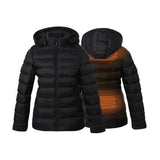
Battery-powered heated apparel offers a practical way to stay warm during skiing, motorcycling, hiking, cycling, outdoor work, and everyday winter activities. By delivering targeted warmth through heated jackets, heated gloves, heated socks, and other electric apparel, these products can improve comfort without requiring excessive layers.
However, heated clothing also raises important ethical and environmental questions. What happens to the battery at the end of its life? Are heated garments designed to be repaired? Where do the raw materials come from? Can battery-powered clothing become part of a circular economy, or does it simply add another layer of electronic waste to the fashion industry?
The answer depends on how heated apparel is designed, manufactured, used, maintained, and discarded. For consumers considering 30seven heated apparel, sustainability should be evaluated alongside warmth, battery life, comfort, safety, and performance.
Table of Contents
- Why Sustainability Matters in Heated Clothing
- The Environmental Impact of Battery-Powered Apparel
- The Ethical Questions Behind Heated Apparel
- What Makes Heated Clothing More Sustainable?
- How to Choose Responsible Heated Apparel
- The Role of 30seven in the Future of Heated Gear
- How Consumers Can Extend Product Lifespan
- Frequently Asked Questions
- Key Statistics
- Conclusion
Why Sustainability Matters in Heated Clothing
Heated apparel combines two product categories with significant environmental challenges: textiles and portable electronics.
Traditional clothing can create environmental impacts through fiber production, dyeing, manufacturing, transportation, washing, and disposal. Battery-powered garments add electronic components, wiring, heating elements, chargers, and rechargeable batteries to that lifecycle.
That does not automatically make heated clothing unsustainable. In some situations, heated apparel may help users stay comfortable with fewer bulky layers or reduce reliance on heating an entire indoor space. A heated jacket can also make outdoor activities more accessible for people who struggle with cold temperatures.
The sustainability question is therefore not simply whether heated clothing uses a battery. The more important questions are:
- How long will the garment remain functional?
- Can the battery be replaced?
- Can the heating system be repaired?
- Is the garment durable enough for repeated outdoor use?
- Are care instructions clear and realistic?
- Can the battery and clothing be handled responsibly at the end of their useful lives?
- Does the brand provide transparent information about materials, manufacturing, and after-sales support?
A durable heated jacket used for many winters may be a more responsible purchase than a cheaper product that fails after one season.
📊 2–8% of global emissions - Textile and fashion sector greenhouse gas emissions
The Environmental Impact of Battery-Powered Apparel
1. Textile production remains the largest part of the equation
The battery is only one component of a heated garment. The fabric, insulation, lining, zippers, packaging, and manufacturing process can represent a substantial share of the product’s environmental footprint.
According to the United Nations Environment Programme, the textile and fashion sector contributes approximately 2–8% of global greenhouse gas emissions. UNEP also highlights major water consumption, chemical use, and microfiber pollution associated with textile production.
This means that extending the life of a heated garment is essential. The longer a jacket, vest, pair of gloves, or pair of heated socks remains in use, the more its manufacturing impact is distributed across multiple seasons.
"The textile sector requires a shift toward circularity, durable production, reuse, and repair" — United Nations Environment Programme
2. Batteries require energy and critical minerals
Rechargeable batteries typically rely on materials such as lithium, nickel, graphite, manganese, and—in some chemistries—cobalt. Extracting and processing these materials can create environmental pressures and raise ethical concerns related to labor conditions, mining practices, local communities, and supply-chain transparency.
The battery’s environmental impact is influenced by several factors:
- Battery chemistry and material composition
- Manufacturing location and energy sources
- Expected number of charging cycles
- Charging efficiency
- Product lifespan
- Whether the battery can be reused or recycled
- Whether the battery is replaced separately or requires replacing the entire garment
A small battery does not eliminate these concerns. Millions of small batteries used in consumer products can collectively create a significant waste stream.
3. End-of-life disposal presents safety risks
Lithium-ion batteries should not be placed in household trash or standard recycling bins. If damaged, crushed, or improperly handled, they can create fire risks in waste collection and recycling facilities.
The U.S. Environmental Protection Agency recommends sending used lithium-ion batteries and battery-powered devices to appropriate electronics recyclers or hazardous-waste collection facilities. Responsible recycling can help recover valuable materials and reduce the need for virgin resource extraction.
"Used lithium-ion batteries should be kept out of household garbage and standard recycling systems because they can create fire hazards" — U.S. Environmental Protection Agency
The Ethical Questions Behind Heated Apparel
Sustainability is not only about carbon emissions or recycling rates. Ethical heated apparel must also consider people, working conditions, safety, transparency, and access.
Responsible sourcing and labor conditions
Heated clothing often involves a complex supply chain. Textile fibers may be produced in one country, fabric assembled in another, electronic components sourced elsewhere, and final garments manufactured in a separate facility.
Ethical questions include:
- Are workers paid fairly?
- Are factories safe?
- Are working hours and employment conditions monitored?
- Are suppliers audited beyond the first manufacturing tier?
- Does the brand disclose meaningful information about its supply chain?
- Are environmental claims supported by evidence?
A sustainability claim should not focus only on recycled packaging while ignoring labor conditions or factory safety.
Product safety and user well-being
Heated clothing is designed to produce warmth close to the body. That makes electrical and thermal safety especially important.
Responsible heated apparel should provide clear guidance on:
- Safe operating temperatures
- Charging procedures
- Battery storage
- Washing and drying
- Use during moisture exposure
- Inspection for damaged wires or connectors
- Safe use around children or people with reduced temperature sensitivity
For users with circulation problems, diabetes, neurological conditions, or reduced sensitivity to heat, heated garments should be used cautiously and according to professional medical advice. Heated apparel is designed for comfort and warmth; it should not be marketed as a medical treatment unless it has the appropriate authorization.
Honest sustainability communication
Ethical marketing requires precise language. Terms such as “eco-friendly,” “green,” “sustainable,” and “carbon-neutral” can be misleading when they are not supported by specific evidence.
A more credible approach is to explain:
- Which materials are used
- How long the product is expected to last
- Whether spare batteries are available
- How repairs are handled
- What recycling instructions apply
- Which sustainability improvements are already in place
- Which improvements remain in progress
Transparency is more valuable than broad environmental promises.
What Makes Heated Clothing More Sustainable?
Not all battery-powered heated apparel has the same lifecycle profile. When comparing products, consider the following design characteristics.
| Sustainability factor | Less responsible design | More responsible design |
|---|---|---|
| Battery system | Permanently integrated and difficult to replace | Removable and replaceable battery |
| Garment lifespan | Fragile fabric and limited repair options | Durable construction with repair support |
| Heating elements | Difficult to diagnose or replace | Clearly documented and serviceable |
| Washing | Unclear or impractical care instructions | Simple, detailed washing guidance |
| Battery charging | Proprietary charger with limited availability | Reliable charger and replacement options |
| End of life | No recycling guidance | Clear battery and garment disposal instructions |
| Packaging | Excessive single-use packaging | Minimal or recyclable packaging |
| Product information | Broad environmental claims | Specific, verifiable information |
Replaceable batteries and modular design
A replaceable battery can significantly extend the useful life of heated apparel. If the battery loses capacity after several seasons, the user may be able to replace the battery without discarding the garment.
Modular design can also make repairs easier. Separate connectors, accessible control systems, and replaceable components can prevent a minor fault from turning into a complete product failure.
European battery policy increasingly emphasizes the removability and replaceability of portable batteries incorporated into products. This reflects a broader principle: products should not become disposable simply because one component reaches the end of its functional life.
"European battery rules introduce requirements concerning the removability and replaceability of portable batteries in products" — European Commission
Durable fabrics and repairability
Outdoor clothing faces abrasion, moisture, repeated washing, and mechanical stress. Durable fabric, reinforced seams, reliable fasteners, and strong connectors can all improve longevity.
Repairability should be considered before purchase. A responsible brand should make it possible to obtain relevant information, replacement parts, or customer support when a problem occurs.
For consumers, the most sustainable heated garment is usually the one that remains useful for the longest period—not necessarily the one with the lowest initial price.
How to Choose Responsible Heated Apparel
Whether you are looking for heated gloves for skiing in Colorado, heated socks for winter hiking in the Alps, or a heated jacket for outdoor work, use this checklist before purchasing.
1. Check the expected lifespan
Look for practical evidence of durability:
- Reinforced construction
- Weather-resistant design
- Tested heating performance
- Clear warranty terms
- Availability of replacement components
- Customer support after purchase
Avoid choosing solely on maximum temperature or the number of heat settings.
2. Investigate battery replacement
Ask whether the battery is:
- Removable
- Sold separately
- Covered by a warranty
- Compatible with future versions
- Easy to store safely
- Supported by clear recycling instructions
A product with a replaceable battery generally offers a better opportunity for long-term use than one that must be discarded when its battery degrades.
3. Read the care instructions
Improper washing is a common cause of premature failure. Before purchasing, confirm:
- Whether the garment is machine washable
- Whether the battery must be removed
- How connectors should be protected
- Whether tumble drying is permitted
- How the garment should be stored between seasons
Following care instructions can preserve both the textile and electronic components.
4. Consider actual usage
The sustainability value of heated apparel depends partly on how often it is used. A high-quality heated jacket worn regularly for skiing, commuting, cycling, or outdoor work may offer more value than a product purchased for occasional use and forgotten in a closet.
Choose the garment that fits your genuine needs rather than buying unnecessary features.
5. Look for clear end-of-life guidance
Before buying, find out what happens when the battery or garment can no longer be used. Responsible product information should tell you how to:
- Remove and store the battery
- Prevent accidental short circuits
- Locate a qualified recycling point
- Dispose of damaged batteries safely
- Handle the textile separately when appropriate
The Role of 30seven in the Future of Heated Gear
For a brand such as 30seven, the future of heated apparel should involve more than producing efficient electric warmth. It should also include a long-term product philosophy based on durability, safety, repair, and transparency.
30seven heated apparel can be evaluated through the same practical questions consumers should ask of any modern outdoor gear brand:
- Are products designed for repeated use across multiple seasons?
- Are battery and charging specifications clearly communicated?
- Can customers obtain replacement batteries or compatible accessories?
- Are care instructions easy to follow?
- Is product support available after the initial purchase?
- Are environmental and ethical claims specific and verifiable?
- Does the brand explain how customers should handle batteries at end of life?
These questions are not intended to discourage innovation. They help ensure that innovation serves users without creating unnecessary waste.
The strongest future for heated gloves, heated jackets, heated socks, and other outdoor heated clothing will combine warmth with maintainability. A garment that performs well in cold weather, remains comfortable over time, and can be repaired or responsibly recycled is more valuable than one designed only for short-term performance.
How Consumers Can Extend Product Lifespan
Consumers have an important role in making electric apparel more sustainable.
Store batteries correctly
At the end of the winter season, store batteries according to the manufacturer’s guidance. Keep them dry, away from extreme temperatures, and protected from damage. Do not store visibly swollen, cracked, leaking, or overheated batteries.
Avoid unnecessary washing
Wash heated garments only when needed and follow the care label carefully. Excessive washing can accelerate fabric wear and may damage electrical components.
Inspect before use
Before wearing heated apparel, check the garment, cables, connectors, and battery housing. Stop using the product if you notice exposed wiring, unusual heat, smoke, swelling, or a damaged battery.
Repair before replacing
A faulty connector, worn seam, or damaged fastening may be repairable. Contact the manufacturer or a qualified repair professional before replacing the entire garment.
Recycle responsibly
Never place lithium-ion batteries in household trash or regular curbside recycling. Use an appropriate battery recycling or hazardous-waste collection service, following local instructions.
📊 Conserves critical minerals and reduces pollution compared with disposal - Battery recycling benefit
Frequently Asked Questions
Is battery-powered heated apparel environmentally friendly?
Battery-powered heated apparel is not automatically environmentally friendly. Its overall impact depends on textile production, battery materials, manufacturing, energy use, product lifespan, repairability, and end-of-life management. A durable garment with a replaceable battery can be a more responsible choice than a disposable alternative.
Are heated clothing batteries recyclable?
Many rechargeable batteries can be recycled through specialized battery or electronics recycling programs. They should not be placed in household garbage or standard recycling bins. Always follow the manufacturer’s instructions and local waste-management requirements.
Why is a replaceable battery important?
A replaceable battery can extend the life of a heated garment. When battery capacity declines, replacing the battery may allow the user to continue wearing the same jacket, gloves, or socks instead of discarding the complete product.
How can I make my heated clothing last longer?
Follow washing and drying instructions, remove the battery before cleaning when required, store the garment properly, avoid damaging connectors, inspect the product regularly, and seek repair support before replacing it.
What should brands disclose about sustainable heated apparel?
Brands should provide specific information about materials, battery replacement, expected durability, repair options, care instructions, supply-chain practices, warranty coverage, and end-of-life recycling. Clear evidence is more useful than general claims such as “eco-friendly.”
Key Statistics
📊 2–8%: Estimated share of global greenhouse gas emissions associated with the textile and fashion sector. Source: UNEP
💧 215 trillion liters: Approximate annual water consumption attributed to the textile and fashion sector in UNEP reporting. Source: UNEP
🔋 Critical minerals: Lithium-ion battery recycling can help recover valuable materials and reduce the need for virgin resource extraction. Source: U.S. Environmental Protection Agency
♻️ 50% to 75%: Example of increasing preparation-for-reuse or recycling targets under a textile extended producer responsibility policy discussed by the OECD. Source: OECD
📊 Design for durability, repair, reuse, and responsible recycling - Circular product principle
Conclusion
Battery-powered heated apparel can play a valuable role in modern outdoor life, helping people stay warm while skiing, riding, working, hiking, cycling, or spending time in cold environments. But its long-term sustainability depends on more than heating performance.
The most responsible heated clothing is durable, repairable, supported by replaceable batteries, backed by transparent information, and handled correctly at the end of its life. Consumers can contribute by choosing quality over disposability, maintaining their garments carefully, and recycling batteries through appropriate channels.
For brands such as 30seven, the opportunity is clear: build heated apparel that combines comfort, safety, performance, and long-term responsibility. When innovation is designed for longevity, 30seven heated apparel can become not only a practical part of modern outdoor gear, but also a more thoughtful choice for the future.


