




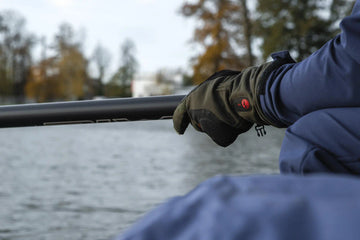



A Beginner’s Guide to Choosing the Right Heated Gloves for Recreational Winter Sports
Cold hands can turn an enjoyable day on the slopes, trail, or ice rink into an uncomfortable experience. If your fingers become numb while skiing, snowboarding, snowshoeing, or watching winter sports, heated gloves can provide an extra layer of comfort and warmth.
Unlike traditional gloves, heated gloves use rechargeable batteries to power integrated heating elements. This allows you to adjust the temperature and maintain warmth even when you are standing still or moving at a low intensity.
But not every pair of heated gloves is designed for the same conditions. The best choice depends on your activity, weather exposure, required dexterity, preferred fit, and expected battery runtime.
This beginner’s guide explains how to choose the right heated gloves for recreational winter sports and what to look for before buying.
Table of Contents
- How Heated Gloves Work
- Choose Gloves Based on Your Winter Activity
- Gloves or Mittens: Which Is Better?
- Key Features to Look For
- Getting the Right Fit
- Understanding Battery Life and Heat Settings
- Why Choose 30seven Heated Gloves?
- Practical Tips for Using Heated Gloves
- Questions Fréquentes
- Chiffres Clés
- Conclusion
How Heated Gloves Work
Heated gloves combine three essential components:
- Rechargeable batteries provide the electrical power.
- Integrated heating elements generate warmth across selected areas of the glove.
- Heat controls allow you to choose the temperature level.
Depending on the model, heating zones may cover the back of the hand, fingers, and fingertips. For winter sports, heating coverage is especially important because fingers are often the first areas to become cold.
Traditional gloves mainly work by trapping the warmth produced by your body. Heated gloves add active warmth to this insulation system. This can be particularly useful during chairlift rides, rest breaks, snowshoeing, or other low-movement activities when your hands are not generating much heat naturally.
Heated gloves should complement a complete winter layering system. They are not a substitute for insulated clothing, weather protection, or appropriate cold-weather safety practices.
"Heated gloves typically combine rechargeable batteries, adjustable heat settings, insulation, and weather protection for cold-weather activities" — REI Expert Advice
Choose Gloves Based on Your Winter Activity
The right heated gloves for recreational winter sports depend on how you plan to use them.
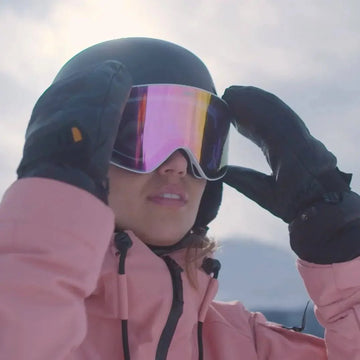
Recreational Skiing and Snowboarding
For resort skiing and snowboarding, look for gloves that offer:
- Waterproof or highly water-resistant construction
- Wind protection
- Strong insulation
- Good grip for ski poles and chairlift bars
- A long gauntlet cuff that fits over your jacket sleeve
- Adjustable wrist closures
- Easy-to-use heat controls
A waterproof heated ski glove is usually the best option if you expect regular contact with snow. A gauntlet cuff helps prevent snow from entering when you fall or brush snow from your equipment.
You may prefer five-finger gloves if you frequently adjust bindings, zippers, goggles, or other gear. However, mittens generally provide more warmth because your fingers share heat inside one insulated compartment.
Snowshoeing and Winter Hiking
Snowshoeing and winter hiking often involve a combination of movement and rest. You may warm up while climbing, then become cold during a break, navigation stop, or scenic viewpoint.
For these activities, prioritize:
- Lightweight construction
- Breathable materials
- Flexible fingers
- Moderate-to-high insulation
- Battery life that covers the full outing
- Water resistance or waterproofing based on the forecast
If you generate significant body heat while moving, you may not need the bulkiest heated gloves. A moderately insulated pair with adjustable heat can offer more versatility.
Ice Skating and Outdoor Spectating
Ice skating, rink-side activities, and outdoor sporting events often involve long periods of limited movement. In these situations, warmth and battery life are usually more important than maximum dexterity.
Choose heated gloves with:
- Strong insulation
- Comfortable lining
- Multiple heat settings
- A battery runtime suited to the length of the event
- Soft cuffs that do not restrict movement
For spectators or people who spend several hours outdoors, heated gloves can be especially useful because you may not generate enough body heat through activity alone.
Cross-Country Skiing
Cross-country skiing is typically more aerobic than resort skiing. Because you are moving continuously, overly warm or heavily insulated gloves may cause your hands to sweat.
A lighter heated glove with breathable fabric may be more appropriate. Look for:
- Flexible construction
- Moisture management
- Secure grip
- Lower bulk
- A low or medium heat setting
- Easy temperature adjustment
The goal is to prevent your hands from becoming cold without creating excessive heat and moisture inside the glove.
Gloves or Mittens: Which Is Better?
The choice between heated gloves and heated mittens comes down to the balance between warmth and dexterity.
| Option | Main Advantage | Main Limitation | Best For |
|---|---|---|---|
| Heated gloves | Better finger movement and grip | Usually less warm than mittens | Skiing, snowboarding, handling equipment |
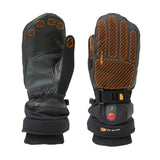
| Heated mittens | Maximum warmth and shared finger heat | Reduced dexterity | Resort skiing, spectating, very cold conditions |
| Three-finger gloves | Balance between warmth and movement | Less versatile than gloves | Cold-weather sports requiring moderate dexterity |
| Heated glove liners | Lightweight and flexible | Require a compatible outer glove | Mild conditions or layering |
If you need to adjust ski bindings, operate a phone, tighten boot buckles, or handle small pieces of equipment, heated gloves are generally the more practical choice.
If your priority is maximum warmth during chairlift rides or long periods of inactivity, heated mittens may be better.
Key Features to Look For
1. Heating Coverage
Check where the heating elements are positioned. For recreational winter sports, warmth across the back of the hand and fingers is often more useful than heat concentrated only in the palm.
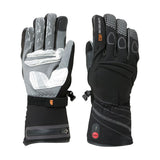
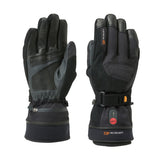
30seven heated gloves are designed with heating zones that can cover the back of the hand, fingers, and fingertips, depending on the model. This helps target the areas most exposed to cold.
2. Adjustable Heat Levels
Multiple heat settings allow you to adapt to changing conditions.
A practical system typically includes:
- Low: Maintaining warmth and conserving battery power
- Medium: Everyday cold-weather comfort
- High: Warming cold hands quickly or handling severe conditions
You may begin on a higher setting while waiting for a lift, then switch to medium or low once your hands feel comfortable.
3. Waterproof and Wind-Resistant Materials
Snow and wind can quickly reduce the effectiveness of any glove. A heated glove should provide both insulation and protection from the elements.
Look for features such as:
- Waterproof membranes
- Sealed or protected cuffs
- Wind-resistant outer fabrics
- Durable palms
- Breathable lining
30seven models include options with Hipora® waterproof membranes, wind-resistant materials, and insulating layers designed for cold outdoor conditions.
"30seven heated gloves include adjustable heating, rechargeable lithium-ion batteries, weather-resistant materials, and heating zones across the hand and fingers" — 30seven
4. Insulation
Heating elements work best when paired with effective insulation. Without insulation, warmth can escape quickly and the battery may need to work harder.
Synthetic insulation is often practical for winter sports because it can continue insulating in damp conditions and generally dries faster than down. For recreational skiing and snowboarding, look for gloves that combine insulation with a waterproof or water-resistant outer shell.
5. Dexterity and Grip
Your gloves should allow you to hold ski poles securely and adjust your equipment without excessive stiffness.
Features that can improve usability include:
- Pre-curved fingers
- Reinforced palms
- Anti-slip grip areas
- Flexible materials
- Touchscreen-compatible fingertips
- Adjustable wrist straps
Remember that greater insulation usually increases bulk. The warmest glove is not always the most comfortable if it makes basic tasks difficult.
6. Battery Placement
Rechargeable batteries are commonly stored in a small pocket near the wrist or cuff. Make sure the battery compartment does not create uncomfortable pressure when you bend your wrist.
A well-designed battery pocket should be secure, protected from moisture, and easy to access when charging or disconnecting the batteries.
Getting the Right Fit
Fit is one of the most important factors when choosing heated gloves.
A glove that is too tight may restrict circulation and compress the insulation. A glove that is too loose can allow warm air to escape and may make it harder to grip ski poles.
Use these steps to check the fit:
- Measure the circumference of your dominant hand around the widest part of the palm.
- Measure hand length from the base of the wrist to the tip of the middle finger.
- Compare both measurements with the manufacturer’s size chart.
- Try the gloves on with the base layer you intend to wear.
- Bend your fingers and grip an object similar to a ski pole.
- Check that your fingertips reach near the ends without pressing against them.
- Make sure the battery pocket and cuff remain comfortable when your wrist bends.
Your fingers should have enough room to move, but the glove should not feel baggy. Avoid sizing up excessively to accommodate thick liners unless the glove is specifically designed for layering.
Understanding Battery Life and Heat Settings
Battery runtime depends on the heat setting, outside temperature, wind, insulation, and battery condition. Higher heat levels generally provide stronger warmth but use more energy.
30seven heated gloves commonly offer several hours of warmth depending on the model and setting. Some models provide up to approximately seven hours on a low setting and around two to three hours on high. Charging times are typically several hours using the supplied charger.
📊 Up to 7 hours - Maximum low-setting runtime for selected 30seven heated glove models
📊 Approximately 2–3 hours - Typical high-setting runtime for selected 30seven heated glove models
For a full day on the mountain, consider your actual use rather than relying only on the maximum advertised runtime. You may use high heat during the coldest periods and low or medium heat once your hands are warm.
To extend battery life:
- Warm your hands before going outside.
- Use high heat briefly rather than continuously.
- Switch to a lower setting once comfortable.
- Keep batteries in their insulated pockets.
- Charge batteries according to the manufacturer’s instructions.
- Disconnect batteries when the gloves are not in use.
- Store batteries in a dry place at a moderate room temperature.
- Recharge batteries periodically during the off-season.
Always use the specified charger and inspect batteries for damage before use.
Why Choose 30seven Heated Gloves?
30seven focuses on heated apparel designed for cold-weather comfort and outdoor performance. For recreational winter sports, several product characteristics are especially relevant:
- Novaheat® technology for targeted warmth
- Multiple heating levels for temperature control
- Rechargeable lithium-ion batteries
- Heating zones across the hand and fingers
- Insulating layers such as PrimaLoft® or Thinsulate® in selected models
- Waterproof or wind-resistant protection
- Ergonomic and pre-curved designs
- Reinforced palms for improved durability and grip
- Touchscreen-compatible options
- Dual chargers included with selected products
The 30seven Extra Warm heated gloves, for example, are designed for snow sports and outdoor use, with insulation, weather protection, adjustable heat, and rechargeable batteries included in the package.
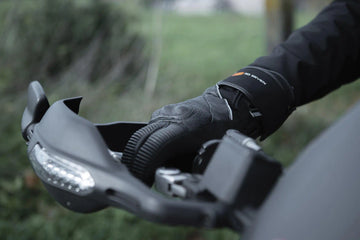
For more demanding activities such as winter motorcycling, choose a model with additional protective features. For recreational skiing and snowboarding, prioritize warmth, dexterity, waterproofing, and cuff compatibility with your ski jacket.
Practical Tips for Using Heated Gloves
Turn Them On Before Your Hands Get Cold
Heated gloves are most effective when used proactively. Switch them on before your fingers become numb instead of waiting until they are already cold.
Avoid Overheating
Start with a moderate setting and increase the temperature only when necessary. Excessive heat can cause sweating, and damp hands may feel colder later.
Keep the Gloves Dry
Even waterproof gloves can become damp from snow, rain, or perspiration. Follow the care instructions and allow the gloves to air-dry naturally. Do not wring them, place them on a radiator, or use an unauthorized drying method.
Carry a Backup Plan
For long outings, consider carrying spare batteries if compatible replacements are available. You should also pack appropriate emergency clothing and avoid relying on heated gloves as your only protection in severe weather.
Consider Your Activity Area
If you participate in backcountry skiing or snowboarding, check whether heated gloves could interfere with avalanche transceiver performance. Follow the recommendations of your equipment manufacturers and avalanche-safety instructors before using electronic heated apparel in avalanche terrain.
Questions Fréquentes
Are heated gloves suitable for beginner skiers?
Yes. Heated gloves can be useful for beginners because they help maintain hand comfort while learning, waiting in lift lines, or taking frequent breaks. Choose a model with good grip, easy controls, and enough insulation for the conditions.
Are heated gloves better than regular winter gloves?
Heated gloves provide active, adjustable warmth, while regular gloves rely on insulation alone. Heated gloves can be especially helpful for people with cold-sensitive hands or those who spend long periods outside with limited movement. They are usually more expensive and require battery charging.
How long do heated glove batteries last?
Runtime varies by model, temperature setting, weather, and battery condition. Some 30seven models provide up to approximately seven hours on low and around two to three hours on high. Always check the specifications for the exact product.
Should I choose heated gloves or heated mittens?
Choose heated gloves when dexterity and equipment handling are important. Choose heated mittens when maximum warmth is your priority and you do not need to use your fingers independently.
Can I wear heated gloves in snow?
Many heated gloves are designed for snow and winter conditions, but water protection varies by model. Look for waterproof membranes, sealed cuffs, and wind-resistant materials. Never immerse the gloves or expose the batteries to moisture.
Chiffres Clés
📊 Up to 7 hours: Selected 30seven heated glove models can provide up to approximately seven hours of warmth on a low setting.
🔥 Three heat levels: Many 30seven models allow users to choose low, medium, or high heat depending on activity and weather.
🔋 Approximately 2–3 hours: High heat provides stronger warmth but typically reduces battery runtime significantly.
❄️ Three main priorities: For recreational winter sports, focus on warmth, weather protection, and dexterity before comparing additional features.
Conclusion
Choosing the right heated gloves for recreational winter sports does not have to be complicated. Start by considering your primary activity, the conditions you expect, and how much finger movement you need.
For skiing and snowboarding, look for insulated, waterproof gloves with good grip and adjustable heating. For snowshoeing or winter hiking, prioritize flexibility, breathability, and practical battery life. For long periods of inactivity, such as spectating or waiting outdoors, maximum insulation and warmth may be more important than dexterity.
A good fit is essential. Your gloves should feel secure without restricting circulation, and the heating elements should sit close enough to provide effective warmth without creating pressure.
With adjustable heating, weather-resistant construction, and rechargeable battery systems, 30seven heated gloves offer a practical way to stay comfortable and active throughout the winter season. Explore the 30seven heated gloves range and choose the model that best matches your next cold-weather adventure.


