




Advanced Techniques for Optimizing Heat Distribution in 30seven Heated Apparel for Professional Outdoor Use
Professional outdoor work demands more than simply adding another layer. Construction crews, maintenance technicians, utility workers, transport professionals, guides, and field teams often move between intense physical activity, long periods of inactivity, wind exposure, moisture, and changing temperatures.
In these conditions, the real challenge is not just generating heat. It is distributing warmth efficiently across the body while preserving mobility, battery life, comfort, and workplace safety.
30seven heated apparel is designed to address this challenge through strategically positioned heating zones, adjustable temperature settings, lightweight construction, and layering compatibility. When used correctly, heated clothing can help professionals maintain a more stable comfort level without relying exclusively on bulky insulation.
"Outdoor workers exposed to cold and wind may be at risk of cold stress, and wind speed can significantly increase heat loss from the body." — Occupational Safety and Health Administration
Table of Contents
- Why Heat Distribution Matters in Professional Outdoor Work
- How 30seven Heated Apparel Distributes Warmth
- Advanced Techniques for Better Heat Distribution
- Heat Distribution Strategies by Professional Scenario
- Battery Management and Heat Efficiency
- Common Mistakes That Reduce Heating Performance
- Questions Fréquentes
- Key Statistics
- Conclusion
Why Heat Distribution Matters in Professional Outdoor Work
Cold discomfort rarely affects the entire body equally. A worker may feel warm while walking but quickly become cold when operating machinery, monitoring a site, riding a motorcycle, or standing still. Hands, feet, the neck, lower back, and kidney area are often particularly vulnerable to cold exposure.
Uneven warmth can also create practical problems:
- Excess heat around the torso may cause sweating.
- Sweat can make base layers damp and reduce insulation.
- Cold hands can affect grip, dexterity, and tool control.
- Cold feet can make long shifts more tiring.
- A bulky clothing system can restrict movement.
- Excessive heat output can drain the battery before the end of a shift.
The objective is therefore not to operate every heating zone at maximum power. The goal is to create a balanced microclimate around the wearer by combining targeted active heat with moisture management, insulation, and wind protection.
📊 Cold stress risk depends on both air temperature and wind speed - Wind exposure and low temperatures increase the risk of cold stress for outdoor workers
How 30seven Heated Apparel Distributes Warmth
30seven heated apparel uses targeted heating zones rather than attempting to heat every part of the garment equally. This approach concentrates warmth in areas that can influence overall comfort and perceived temperature.
The 30seven heated baselayer and heated sleeveless vest feature heating points around the:
- Neck
- Shoulders
- Kidney area
- Lower back
These areas are positioned close to the body, allowing warmth to be distributed through the central part of the clothing system. A close-fitting garment also reduces air gaps between the heating elements and the wearer.
"The 30seven heated baselayer and sleeveless vest use heating zones positioned around the neck, shoulders, kidneys, and lower back, with heating time of up to five hours depending on the product and operating conditions." — 30seven
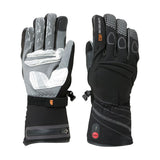
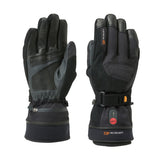
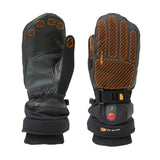
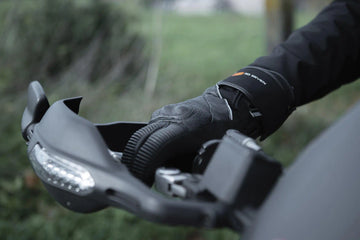
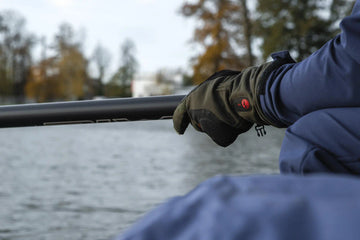
For the extremities, 30seven heated gloves use heating points on the back of the hand, fingers, and fingertips. Heated insoles focus warmth under the feet, including the toes and soles.
This creates a modular approach:
| Body area | Recommended 30seven solution | Primary objective |
|---|---|---|
| Neck, shoulders, and torso | Heated baselayer or vest | Maintain central warmth |
| Lower back and kidney area | Heated baselayer or vest | Support comfort during static work |
| Hands and fingers | Heated gloves | Preserve warmth and dexterity |
| Toes and soles | Heated insoles | Reduce cold transfer from the ground |
| Entire system | Heated apparel plus protective layers | Retain warmth and manage weather exposure |
"30seven heated gloves provide heat to the back of the hand, fingers, and fingertips, while heated textile insoles target the toes and soles." — 30seven
Advanced Techniques for Better Heat Distribution
Start With Correct Garment Positioning
The first step is ensuring that the heating elements sit in the intended anatomical areas.
A heated baselayer that is too loose may create distance between the heating zones and the body. A garment that is too tight may restrict movement or compress the fabric around the heating elements. Choose a size that provides close contact without limiting breathing, bending, reaching, or operating equipment.
Before starting a shift, check that:
- The neck heating zone sits correctly below the collar.
- The shoulder zones are not folded or twisted.
- The lower-back heating area covers the lumbar region.
- Battery cables are routed without tension.
- The battery pocket does not interfere with a harness, tool belt, or vehicle seat.
- The garment remains flat beneath the next layer.
For professionals who frequently climb, kneel, or reach overhead, garment positioning should be checked again after movement. Small shifts in fabric can change how heat is transferred.
Use a Three-Layer System
Active heating works most efficiently when combined with a structured layering system.
Layer 1: Moisture management
Wear a moisture-wicking base layer beneath the heated garment when the fit allows it. The purpose is to move perspiration away from the skin and reduce dampness during periods of physical effort.
Avoid cotton as the primary next-to-skin layer during demanding outdoor work. Once wet, cotton dries slowly and can make the wearer feel colder during rest periods.
Layer 2: Active heat
The 30seven heated baselayer or vest should sit close enough to transfer warmth effectively while leaving enough room for comfortable movement.
A heated baselayer is particularly useful when the worker needs a low-profile solution under a uniform, work jacket, or protective shell. A heated vest can be useful when the arms require maximum freedom of movement.
Layer 3: Wind and weather protection
The outer layer helps prevent heated air from being removed by wind. It should protect against the conditions expected on the job, including rain, snow, spray, and wind chill.
A common mistake is to turn up the heating level while leaving the outer layer open or poorly sealed. In that situation, heat is lost rapidly, battery consumption rises, and the wearer may still feel cold.
"Cold-stress prevention guidance recommends an inner layer that moves moisture away from the body, a middle insulating layer, and an outer layer that protects against wind and rain while allowing ventilation." — University of North Carolina Environment, Health and Safety
Match Heat Levels to Work Intensity
Professional outdoor work is rarely performed at one consistent activity level. A worker may walk between locations, perform strenuous manual tasks, stand still while monitoring equipment, and then travel in a vehicle.
Use heat settings strategically:
| Work phase | Recommended approach |
|---|---|
| High physical activity | Use low heat or temporarily reduce the setting |
| Moderate activity | Use low to medium heat depending on conditions |
| Static work or long observation periods | Increase warmth gradually |
| Wind exposure or vehicle travel | Use medium heat and improve outer-layer protection |
| Rest or scheduled warming break | Turn the garment down before overheating |
The most efficient approach is preheating and modulation, not continuous maximum output. Activate the garment shortly before entering a cold environment, then reduce the setting once comfortable.
This helps prevent sweating, which is especially important for workers moving between indoor and outdoor environments.
📊 Modulated heating can improve comfort and reduce unnecessary battery consumption - Heat output should be adjusted according to activity level, wind exposure, and the effectiveness of the outer layer
Protect the Heat From Wind and Moisture
Heat distribution depends on what happens outside the heated garment. Wind can strip warmth from the outer surface, while moisture can reduce the insulating performance of clothing.
To improve heat retention:
- Close the outer jacket around the neck and wrists.
- Use a wind-resistant shell during exposed work.
- Avoid compressing insulation under heavy straps.
- Replace wet layers as soon as practical.
- Keep the heated garment dry and follow its care instructions.
- Do not cover ventilation areas with impermeable materials unless the garment system is designed for it.
Wind protection is particularly important around the neck and shoulders, where exposed openings can create a strong sensation of cold even when the central heating zones are active.
Balance Torso, Hands, and Feet
Heating the torso alone may not be enough for professional work. If the hands or feet remain cold, the entire system can feel ineffective.
A balanced 30seven setup may include:
- A heated baselayer or vest for the torso.
- Heated gloves for the hands and fingers.
- Heated insoles for the toes and soles.
- A moisture-wicking layer underneath.
- Insulated and weather-resistant footwear.
- A windproof outer layer.
This is particularly valuable for workers who alternate between manual tasks and static periods. For example, a technician may need warm hands while handling tools but also require warm feet while standing on cold concrete or frozen ground.
The objective is not maximum temperature in every zone. It is proportional warmth: enough heat in each area to maintain comfort without creating excessive heat in another.
Heat Distribution Strategies by Professional Scenario
Construction and Maintenance
Construction and maintenance workers often alternate between movement and stationary tasks. A heated vest or baselayer can provide central warmth without adding excessive bulk beneath a high-visibility jacket.
Recommended technique:
- Preheat the garment before the shift.
- Use low heat while carrying materials or walking.
- Increase to medium during stationary inspection work.
- Keep the outer shell closed during windy conditions.
- Use heated gloves when handling cold tools or metal surfaces.
Always verify that the heated garment is compatible with required personal protective equipment. It should not interfere with high-visibility clothing, fall-arrest equipment, respiratory protection, or other mandatory gear.
Utility and Infrastructure Crews
Utility workers may spend long periods outdoors with limited access to heated indoor spaces. Heat distribution should prioritize the torso, hands, and lower back while maintaining freedom of movement.
A close-fitting heated baselayer can be effective beneath a work uniform and weather shell. Heated gloves may be particularly useful when workers must operate controls, fasteners, instruments, or handheld devices.
For extended shifts, plan battery use around the work schedule rather than waiting until the wearer feels cold. Keep spare batteries only when they are approved for the product and stored according to the manufacturer’s instructions.
Outdoor Transport and Delivery
Drivers, couriers, and transport professionals frequently move between a heated vehicle and exposed outdoor conditions. Rapid temperature transitions can make it difficult to choose a single heating level.
A practical strategy is to:
- Use a low setting inside the vehicle if necessary.
- Increase heat shortly before leaving the vehicle.
- Reduce heat during active walking or carrying.
- Close the outer layer before stepping outside.
- Keep cables and batteries positioned so they do not interfere with seat belts or vehicle controls.
Field Technicians and Site Inspectors
Field technicians may need to remain comfortable while standing still, taking notes, using a tablet, or inspecting equipment. In this scenario, the lower back, neck, and shoulder zones are especially valuable because these areas can feel cold during static work.
Use moderate heat during observation periods and lower the setting while walking between locations. Keep the garment close to the body so heat is not lost through large air gaps.
Battery Management and Heat Efficiency
Battery performance is directly connected to heat distribution. A garment used inefficiently may consume power quickly without delivering better overall comfort.
Improve operating time by following these practices:
- Start on the lowest setting that feels comfortable.
- Increase heat only when conditions or activity levels change.
- Avoid running all heated items at maximum output simultaneously.
- Charge batteries fully before a shift.
- Disconnect batteries when the garment is not in use.
- Store batteries according to the product instructions.
- Recharge stored batteries periodically during the off-season.
- Inspect cables, connectors, and battery pockets before use.
30seven product specifications indicate different operating times depending on garment type, battery, and heat setting. For example, 30seven heated cycling gloves are listed with up to seven hours of warmth on low and approximately two and a half hours on high. Actual performance may vary with temperature, battery condition, wind, movement, and layering.
"30seven heated cycling gloves are designed with three heat levels and are listed with up to seven hours of heating on low and approximately two and a half hours on high." — 30seven
📊 Battery life depends on setting, weather, battery condition, and use pattern - Up to 7 hours of heating on low for selected 30seven heated gloves
Common Mistakes That Reduce Heating Performance
Wearing the Heated Garment Too Far From the Body
A thick sweatshirt between the body and the heating zones can reduce direct heat transfer. If additional insulation is needed, place it over the heated layer whenever the garment design and safety requirements allow.
Blocking Heat With Tight Compression
Heavy straps, harnesses, or tightly adjusted equipment can compress insulation and alter how heat spreads. Check that required equipment is correctly fitted without creating unnecessary pressure points.
Using Maximum Heat Continuously
High heat may feel effective at first, but it can cause sweating and shorten battery life. Use high heat selectively for initial warming or severe exposure, then reduce the setting.
Ignoring Hands and Feet
Cold extremities can undermine the comfort created by a warm torso. Consider heated gloves or insoles when the job involves prolonged exposure or limited movement.
Treating Heated Apparel as a Replacement for Safety Controls
Heated clothing is a comfort and thermal-management tool. It does not replace warm-up breaks, weather monitoring, appropriate PPE, hydration, worker training, or cold-stress procedures.
"Employers should educate workers about cold-stress hazards, provide appropriate protection, and use work practices such as warm-up breaks and monitoring when conditions require it." — Occupational Safety and Health Administration
Questions Fréquentes
What is the best way to distribute heat in professional heated clothing?
The best approach is to combine targeted heating zones with correct garment fit, moisture-wicking layers, insulation, and wind protection. Use the lowest effective heat level and adjust it as activity, temperature, and exposure change.
Should a heated baselayer be worn directly against the skin?
It should be worn according to the manufacturer’s instructions and in a way that maintains close contact without causing discomfort or restricting movement. A thin moisture-managing layer may be appropriate when it is compatible with the garment and fit.
Which body areas should be heated first during outdoor work?
The neck, shoulders, torso, lower back, hands, and feet are common priorities. 30seven offers heated apparel that targets these areas through heated baselayers, vests, gloves, and insoles.
Does higher heat always provide better protection from cold?
No. Higher heat can increase sweating, reduce battery life, and create discomfort. Effective thermal management depends on balanced heat, appropriate layering, and adjusting the setting to the work phase.
Can heated apparel replace standard cold-weather PPE?
No. Heated apparel should complement, not replace, required protective equipment and workplace cold-stress procedures. Always confirm compatibility with uniforms, high-visibility clothing, protective shells, harnesses, and other job-specific equipment.
Key Statistics
📊 Up to 5 hours of heating is indicated for selected 30seven heated baselayers and vests, depending on the product and operating conditions.
Source: 30seven product information
🧤 Up to 7 hours of heating on low is indicated for selected 30seven heated gloves.
Source: 30seven heated cycling gloves product information
⚡ Three heat levels allow professionals to adjust warmth according to activity, weather, and battery requirements.
Source: 30seven heated gloves product information
Conclusion
Optimizing heat distribution in professional outdoor work is a matter of system design, not simply turning a garment to its highest setting. The most effective approach combines strategically positioned 30seven heating zones with correct fit, moisture management, insulation, wind protection, and intelligent temperature control.
Start with the torso, then balance warmth across the hands and feet when conditions demand it. Use low heat during active work, increase warmth during static periods, and protect the entire system from wind and moisture. By managing heat distribution deliberately, professionals can improve comfort, preserve mobility, and make better use of battery power throughout the working day.
Explore the 30seven heated baselayers, vests, gloves, and insoles to build a practical heated apparel system for demanding outdoor work.


