





Benefits of Heated Socks for Improving Circulation During Long-Duration Outdoor Activities in Cold Weather
Cold feet can turn an enjoyable winter adventure into an uncomfortable endurance test. Whether you are skiing in Colorado, hiking in the Alps, riding a motorcycle through northern Europe, working outdoors in Canada, or standing at a winter sports event for hours, cold temperatures can affect more than comfort. They can reduce dexterity, cause numbness and tingling, and make it harder to stay focused on the activity.
Heated socks offer a practical way to provide targeted warmth around the feet and toes. By helping maintain skin temperature during prolonged exposure to cold, they can support comfort and help reduce the effects associated with cold-induced blood vessel constriction. However, heated socks are not a medical treatment for poor circulation or vascular disease. Their greatest value is as part of a complete cold-weather strategy that includes dry footwear, appropriate layering, movement, hydration, and sensible exposure limits.
This guide explains how heated socks work, how warmth relates to circulation, and why 30seven heated apparel can be useful during long-duration outdoor activities.
Table of Contents
- How Cold Weather Affects Foot Circulation
- How Heated Socks Support Warmth and Comfort
- Key Benefits During Long Outdoor Activities
- Why 30seven Heated Socks Are Designed for Outdoor Use
- How to Use Heated Socks Safely
- Choosing Heated Socks for Your Activity
- Frequently Asked Questions
- Key Statistics
- Conclusion
How Cold Weather Affects Foot Circulation
When your body is exposed to cold, it naturally attempts to protect its core temperature. One of the mechanisms involved is vasoconstriction: blood vessels near the skin become narrower, reducing blood flow to the extremities and limiting heat loss.
This response can leave the feet feeling cold, numb, stiff, or painful. The effect can become more noticeable when you remain still for long periods, wear damp footwear, or spend hours in windy or freezing conditions.
Cold and moisture can create additional risks. According to the Centers for Disease Control and Prevention, prolonged exposure to wet and cold conditions can contribute to trench foot, while frostbite can damage skin and deeper tissues. The CDC also notes that wet feet lose heat considerably faster than dry feet.
📊 25× faster heat loss - Wet feet lose heat 25 times faster than dry feet
Cold-weather clothing should keep the feet warm, dry, and comfortable without restricting movement or creating pressure points.
It is important to distinguish between temporary cold-related discomfort and a medical circulation problem. Persistent cold feet, pain while walking, changes in skin color, slow-healing sores, or recurring numbness may indicate an underlying condition such as peripheral artery disease, diabetes-related complications, or another vascular issue.
"Cold feet, leg pain during activity, and slow-healing foot wounds can be symptoms of peripheral artery disease and should be assessed by a healthcare professional." — Mayo Clinic
How Heated Socks Support Warmth and Comfort
Heated socks use integrated heating elements powered by rechargeable batteries. Depending on the design, the heating zones are positioned around the toes, forefoot, sole, or upper foot—the areas most likely to feel cold during extended outdoor exposure.
The primary benefit is direct, adjustable warmth. Instead of relying only on insulation to retain body heat, heated socks actively add warmth when environmental conditions become challenging.
This may support circulation in several practical ways:
- Maintaining foot temperature: Warmer skin can feel more comfortable and less rigid than cold skin.
- Reducing the sensation of numbness: Gentle warmth may help users remain more aware of their feet during long activities.
- Supporting comfort during periods of inactivity: Heated socks are particularly useful when standing, sitting on a ski lift, waiting at an outdoor event, or taking breaks during a hike.
- Helping prevent the feet from becoming excessively cold: Starting with warmth before the feet become numb can be more effective than trying to recover from severe cold later.
Research on foot warming shows that local warming can raise foot skin temperature and influence thermoregulatory responses. However, the evidence does not mean that heated socks repair narrowed arteries or cure circulation disorders. They provide external heat; they do not replace medical care.
"Foot warming can increase distal skin temperature and improve comfort-related thermoregulatory responses, but it should not be considered a treatment for an underlying circulation disorder." — Journal of Physiological Anthropology
Key Benefits During Long Outdoor Activities
1. More consistent warmth over several hours
Traditional socks and insulated boots depend on trapped body heat. They can work well during moderate conditions, but their effectiveness may decline when temperatures drop, footwear becomes damp, or the wearer remains stationary.
Heated socks provide a source of warmth throughout the activity. This is especially useful for:
- Long-distance winter hiking
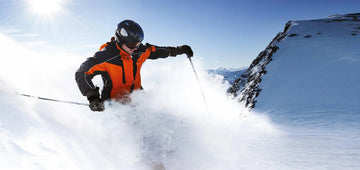
- Skiing and snowboarding
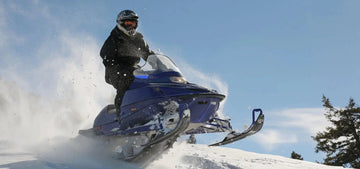
- Snowmobiling
- Winter camping
- Outdoor photography
- Fishing in cold weather
- Motorcycle touring
- Construction and outdoor maintenance work
- Snow removal
- Spectating at outdoor sporting events
For a long day outdoors, the ability to select a lower heat setting for extended use and increase the temperature during colder periods can make the experience more manageable.
2. Better comfort when activity levels change
Cold-weather activities rarely involve constant movement. A skier may alternate between downhill runs and chairlift rides. A hiker may walk for an hour, then stop for food or navigation. A worker may move between active tasks and stationary periods.
These pauses are often when the feet become noticeably colder. Heated socks help compensate for the drop in activity by delivering warmth directly to the feet.
This can be particularly valuable for people who are sensitive to cold or who find that ordinary thermal wear is not enough during long-duration exposure.
3. Reduced distraction from cold feet
Cold feet can become a persistent distraction. Numbness, tingling, and stiffness may affect concentration and enjoyment. For workers, reduced comfort can make a demanding shift feel even longer. For athletes, it can take attention away from technique and performance.
By maintaining a more comfortable temperature, heated socks can help users focus on their surroundings and the task at hand.
They should still be combined with proper footwear. A heated sock cannot compensate for boots that are too tight, wet, poorly insulated, or unsuitable for the environment.
4. Help protecting warmth in damp conditions
Moisture is one of the biggest challenges in cold-weather footwear. Snow can enter boots, perspiration can accumulate inside socks, and rain can soak footwear during shoulder-season activities.
A heated sock works best when paired with moisture management:
- Choose moisture-wicking materials.
- Replace wet socks as soon as possible.
- Use waterproof or water-resistant footwear where appropriate.
- Avoid compressing the foot with excessively tight boots.
- Allow footwear and batteries to dry according to the manufacturer’s instructions.
Keeping the feet dry helps reduce heat loss and allows the heating system to work more efficiently.
📊 Prolonged moisture is a major risk factor - Cold, wet exposure can contribute to trench foot and other cold-related injuries
5. Improved comfort for cold-sensitive users
Some people experience cold feet more quickly than others. This may be related to age, body composition, activity level, footwear, environmental exposure, or individual sensitivity to cold.
Heated socks can be useful for people who regularly experience discomfort during winter activities, provided they use them responsibly. People with diabetes, reduced sensation, diagnosed vascular disease, or a history of frostbite should consult a healthcare professional before relying on heated products, because reduced sensation can make it harder to recognize excessive heat or skin irritation.
Why 30seven Heated Socks Are Designed for Outdoor Use
30seven focuses on heated apparel intended for outdoor activities, work, training, and everyday winter use. Its heated socks use Novaheat® technology, with integrated heating elements designed to distribute warmth across targeted areas of the foot.
Key features to consider include:
| Feature | Why it matters during long outdoor activities |
|---|---|
| Integrated heating elements | Delivers active warmth instead of relying only on insulation |
| Rechargeable lithium-ion batteries | Supports repeated use across winter seasons |
| Multiple heat settings | Allows users to balance warmth and battery duration |
| Long-sock options | Suitable for boots, ski boots, and other high footwear |
| Flexible construction | Helps preserve comfort while walking, skiing, or working |
| Targeted warmth around the foot | Focuses heat where cold sensitivity is often greatest |
| Durable outdoor materials | Better suited to regular use in demanding conditions |
30seven states that its Novaheat® system uses fine heating wires designed to distribute warmth consistently and safely. The company also indicates that its heated clothing can provide warmth for up to several hours, depending on the product and selected heat setting.
"30seven describes its Novaheat® technology as using fine heating wires, rechargeable lithium batteries, and multiple heat settings for controlled warmth." — 30seven
The correct performance will depend on the specific model, temperature setting, footwear, battery condition, and environmental conditions. Always check the product specifications before planning a full-day outing.
How to Use Heated Socks Safely
Heated socks should provide gentle, comfortable warmth—not intense heat. Follow these precautions:
Start with a low or moderate setting
Begin with the lowest comfortable heat setting. Increase it only when necessary. A lower setting may also help extend battery life during a full-day activity.
Check the fit of your footwear
Tight boots can restrict movement and create pressure points. They may also compress the socks and reduce insulation. Make sure there is sufficient room for the sock and your foot without making the boot loose or unstable.
Keep batteries and controls protected
Place battery packs according to the manufacturer’s instructions. Protect them from unnecessary impact, excessive moisture, and extreme heat. Inspect cables and connectors before use.
Monitor your feet regularly
Remove the socks or inspect your feet during breaks, particularly if you have reduced sensitivity. Stop using the product if you notice burning, irritation, unusual redness, blisters, or discomfort.
Do not use heated socks to treat frostbite
If the feet are numb, pale, waxy, bluish, or severely painful, move to a warm shelter and seek appropriate medical assistance. Do not attempt to rapidly rewarm suspected frostbite with a heating pad, radiator, fireplace, or very hot water.
"Frostbitten areas should be warmed carefully and should not be exposed directly to heating pads, radiators, or other intense heat sources." — CDC/NIOSH
Seek medical advice for persistent circulation symptoms
Heated socks can improve warmth and comfort, but they cannot correct an arterial blockage, nerve disorder, or other medical cause of cold feet. Speak with a healthcare professional if cold feet are persistent, one-sided, painful, associated with walking cramps, or accompanied by skin changes or wounds.
Choosing Heated Socks for Your Activity
The best heated socks depend on how and where you plan to use them.
| Activity | Recommended priorities |
|---|---|
| Skiing and snowboarding | Long fit, boot compatibility, moisture management, adjustable heat |
| Winter hiking | Battery duration, comfort during movement, breathability, durable construction |
| Motorcycle touring | Secure fit, warmth around toes, compatibility with riding boots |
| Outdoor work | Long runtime, reliable controls, robust materials, dry-foot protection |
| Winter camping | Extended battery performance, spare batteries, layered footwear |
| Outdoor events | Comfort during long stationary periods, simple controls, low heat setting |
Before purchasing, check:
- Whether the socks fit comfortably inside your boots
- Battery runtime at the heat setting you expect to use
- Whether replacement batteries are available
- How the socks should be washed and stored
- Whether the heating elements cover the toes, soles, or upper foot
- The manufacturer’s safety and charging instructions
A good pair of heated socks should complement—not replace—proper winter clothing. Combine them with insulated boots, dry base layers, gloves, a warm hat, and protection from wind and precipitation.
Frequently Asked Questions
Do heated socks improve blood circulation?
Heated socks can provide local warmth that may support comfort and help counter the cold-induced narrowing of surface blood vessels. However, they do not treat poor circulation, peripheral artery disease, diabetes-related vascular problems, or other medical conditions. Persistent circulation symptoms should be evaluated by a healthcare professional.
Are heated socks suitable for skiing and snowboarding?
Yes. Heated socks can be useful during skiing and snowboarding because they provide warmth during both active runs and stationary periods on lifts. Choose a model that fits comfortably inside ski boots and avoid making the boot too tight.
How long do heated socks last on one charge?
Battery duration depends on the product, temperature setting, weather conditions, and battery age. Lower settings generally last longer than maximum heat. Check the specifications for the exact 30seven model and consider carrying a charged spare battery for activities lasting all day.
Can heated socks prevent frostbite?
Heated socks may help maintain warmth, but no clothing can guarantee protection from frostbite. Frostbite risk depends on temperature, wind, moisture, exposure time, footwear, activity level, and individual factors. Leave the cold environment if you experience numbness, pale or waxy skin, severe pain, or loss of sensation.
Are heated socks safe for people with diabetes or reduced foot sensitivity?
People with diabetes or reduced sensation should consult a healthcare professional before using heated socks. Reduced sensation can make it difficult to detect excessive heat, pressure, or skin damage. Regular foot checks and careful temperature control are essential.
Key Statistics
📊 25× faster heat loss: Wet feet can lose heat 25 times faster than dry feet, according to CDC/NIOSH guidance.
💡 Up to several hours of warmth: 30seven’s heated clothing information describes Novaheat® products as providing warmth for up to 7 hours, depending on the product and settings.
⚠️ Cold-weather risk: Prolonged exposure to cold and wet conditions can contribute to frostbite, hypothermia, trench foot, and chilblains.
📊 25× faster - Wet feet lose heat 25 times faster than dry feet
📊 Up to 7 hours - Novaheat® heated clothing can provide warmth for up to 7 hours depending on product and setting
Conclusion
For anyone spending several hours outdoors in cold weather, keeping the feet warm is essential for comfort, focus, and cold-weather safety. Heated socks provide targeted warmth that can help maintain foot temperature during long periods of skiing, hiking, riding, working, camping, or standing outside.
The main benefit is not that heated socks cure poor circulation. Rather, they help address one of the most immediate effects of cold exposure: the loss of warmth in the feet and toes. When combined with dry socks, properly fitted boots, movement, and sensible exposure management, heated socks can make cold-weather activities more comfortable and enjoyable.
30seven heated socks offer a practical option for people looking for adjustable warmth, rechargeable power, and outdoor-ready comfort. Explore the 30seven heated apparel range to find the right solution for your next long-duration winter activity.


