

Best Heated Gear for Photography Enthusiasts Working in Extreme Winter Conditions
When you photograph in extreme winter conditions, your clothing is part of your equipment. Frozen fingers can make it difficult to adjust manual controls, stiff joints can slow down tripod setup, and cold feet can end a shoot long before the light does.
The best heated gear for photography enthusiasts must provide warmth without limiting dexterity, mobility, or access to camera controls. For professional photographers, wildlife shooters, landscape enthusiasts, and outdoor content creators, heated gloves, heated socks, heated insoles, and a reliable heated base layer can make the difference between abandoning a shoot and capturing the image you planned.
This guide explains how to choose heated clothing for extreme cold, how to combine it with a photography layering system, and why 30seven heated apparel is a practical solution for photographers working in demanding winter environments.
Table of Contents
- Why Photographers Need Specialized Heated Gear
- The Best Heated Gear for Winter Photography
- How to Choose Heated Clothing for Photography
- A Practical Cold-Weather Photography Setup
- Battery Management in Extreme Cold
- Photography Safety Tips for Freezing Conditions
- Frequently Asked Questions
- Key Statistics
- Conclusion
Why Photographers Need Specialized Heated Gear
Photography in extreme winter weather creates a unique challenge: you need maximum protection from the cold while maintaining precise control over small buttons, dials, touchscreens, lens rings, and tripod mechanisms.
Traditional winter gloves may keep your hands warm, but they can also make it difficult to:
- Change shutter speed or aperture
- Replace a memory card
- Adjust exposure compensation
- Operate a touchscreen
- Attach filters
- Change lenses safely
- Stabilize a camera during long exposures
Removing your gloves may improve control temporarily, but repeated exposure to freezing temperatures can quickly become uncomfortable and unsafe. Heated clothing provides a more consistent solution by delivering adjustable warmth directly where photographers need it most.
Cold also affects the equipment itself. Batteries lose performance in low temperatures, while sudden transitions between cold outdoor air and warm indoor environments can create condensation on or inside camera equipment. For this reason, photographers need a complete cold-weather strategy that protects both the person and the camera system.
📊 Carry at least two additional batteries per camera - Recommended battery planning for polar photography
The Best Heated Gear for Winter Photography
The ideal setup depends on the length of the shoot, the temperature, your level of movement, and whether you are photographing from a fixed position or hiking between locations.
| Heated gear | Best for | Main photography benefit |
|---|---|---|
| Heated gloves | Wildlife, landscape, sports, and night photography | Maintains hand warmth while preserving camera control |
| Heated socks | Long outdoor sessions and stationary shooting | Keeps feet warm when standing on snow or frozen ground |
| Heated insoles | Hiking and field photography | Adds warmth without requiring bulky footwear |
| Heated base layer | Extended shoots in severe cold | Provides core warmth while allowing layered mobility |
| Heated jacket or vest | Static observation points and winter expeditions | Delivers broad upper-body warmth with adjustable heat |
Heated Gloves for Camera Control
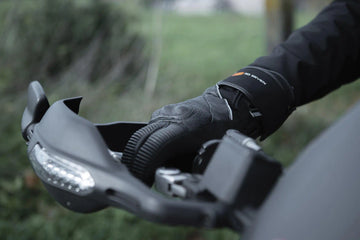
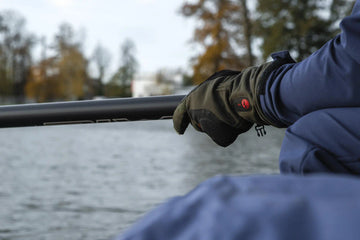
Heated gloves are often the most important piece of heated gear for photographers. Your hands perform delicate tasks, and cold fingers can become numb quickly when you are standing still or repeatedly exposing them to the air.
When choosing heated gloves, look for:
- Adjustable heat settings
- Flexible materials around the fingers
- A close but comfortable fit
- Touchscreen compatibility
- Enough insulation for the intended temperature
- Battery placement that does not interfere with movement
- Protection from wind and moisture
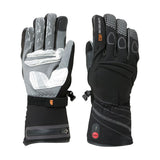
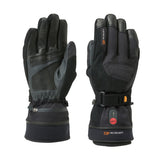
30seven heated gloves are designed for outdoor activities and can help photographers maintain warmth without constantly removing their gloves. Touchscreen-friendly features are particularly useful when checking a smartphone, controlling a remote trigger, reviewing GPS data, or adjusting a connected camera accessory.
For photographers, the best approach is often to use heated gloves at a low or medium setting while operating the camera. This provides steady warmth without creating excessive bulk or discomfort.
"30seven heated gloves are designed to combine warmth, outdoor performance, and touchscreen usability" — 30seven
Heated Socks and Insoles for Long Shoots
Photographers often underestimate how quickly their feet lose heat. Standing on snow, ice, or frozen ground for several hours can make even a well-insulated boot feel insufficient.
Heated socks and heated insoles are especially useful for:
- Aurora photography
- Wildlife observation
- Winter sports photography
- Frozen lake and mountain photography
- Outdoor events
- Nighttime astrophotography
- Expedition and travel photography
Heated socks place warmth close to the feet, while heated insoles add warmth inside your existing footwear. The right choice depends on the available space inside your boots and the amount of insulation you already use.
Avoid overly thick socks if they make your boots tight. Restricted circulation can make your feet feel colder and may reduce comfort during long sessions. A properly fitted boot, moisture-wicking layer, and adjustable heated sock system are usually more effective than simply adding more bulk.
30seven states that its heated clothing can provide up to seven hours of warmth on lower settings, depending on the product and conditions. This makes low-level heat useful for long landscape or wildlife sessions where the goal is to maintain comfort rather than generate intense warmth.
📊 Up to 7 hours, depending on product and conditions - Maximum stated battery life on lower heat settings
Heated Jackets and Base Layers
A heated base layer or jacket can help maintain core warmth when you are working in exposed environments. This is important because photographers often remain still for long periods, reducing the natural body heat generated through movement.
A heated base layer is particularly useful when:
- You are hiking to a remote location
- You alternate between walking and stationary shooting
- You work in strong wind
- You photograph from a snowmobile, vehicle, or observation blind
- You need flexible layering beneath a waterproof shell
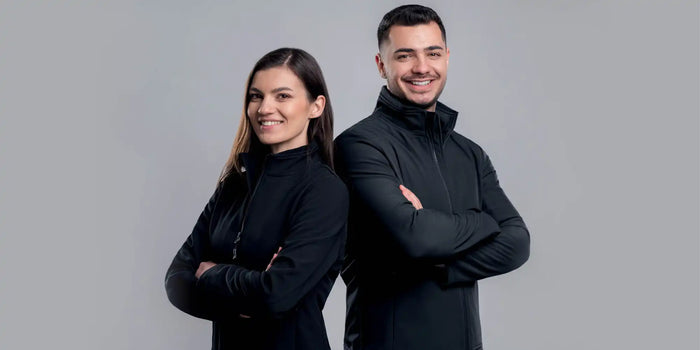
30seven base layers and jackets use removable heating elements, allowing the garment to be used more flexibly when heating is not required. This can be beneficial for photographers who move between indoor preparation, active hiking, and static outdoor shooting.
"30seven base layers and jackets feature removable heating elements for flexible use" — 30seven
How to Choose Heated Clothing for Photography
Not all heated apparel is equally suitable for photography. Before choosing a system, consider the following factors.
1. Prioritize Dexterity
For camera work, warmth should never come at the expense of control. Look for gloves that allow you to bend your fingers naturally and operate small controls.
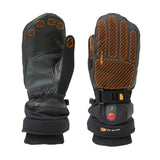
If you use a professional camera with physical dials, a slimmer heated glove may be more useful than an extremely insulated mitten. For static shooting in severe cold, you can combine a heated liner glove with a larger weatherproof outer mitten that can be removed quickly when necessary.
2. Choose Adjustable Heat
Weather conditions can change rapidly. A low setting may be enough while hiking, while a higher setting may be useful after arriving at a stationary shooting position.
Multiple heat levels allow you to balance comfort and battery life. Start on a lower setting, increase the heat when needed, and reduce it once your hands or feet are comfortable.
3. Check Battery Placement
Battery pockets should be easy to reach but should not interfere with camera straps, harnesses, backpacks, or tripod belts. For gloves, avoid designs that place bulky batteries where they restrict wrist movement.
Before a major shoot, wear the clothing with your complete camera setup. Check whether the battery cables, pockets, or connectors interfere with your movements.
4. Consider Moisture and Wind
Snow, freezing rain, and wind can reduce comfort even when temperatures are not exceptionally low. Heated gear should be part of a broader system that includes moisture-wicking base layers, insulation, and a protective outer shell.
Heated clothing is not a replacement for waterproof clothing. Always check the manufacturer’s care and usage instructions before exposing the garment to wet conditions.
5. Look for Serviceable, Durable Design
Outdoor photographers may use their clothing repeatedly throughout the winter. Durable construction, removable heating elements, and replaceable or rechargeable batteries can make a heated clothing system more practical over time.
A Practical Cold-Weather Photography Setup
A reliable photography layering system may look like this:
| Body area | Recommended layer | Purpose |
|---|---|---|
| Head and neck | Insulated hat and neck warmer | Reduces heat loss and protects exposed skin |
| Upper body | Heated base layer or jacket | Maintains core warmth |
| Hands | Heated gloves with flexible fingers | Preserves dexterity and comfort |
| Legs | Thermal base layer and insulated trousers | Protects against wind and cold |
| Feet | Moisture-wicking socks with heated socks or insoles | Reduces cold from snow and frozen ground |
| Outer layer | Windproof and waterproof shell | Protects the entire system from weather |
For a wildlife photographer waiting beside a frozen lake, the priority may be heated socks, heated gloves, and a heated jacket. For a landscape photographer hiking through snow, a heated base layer and heated insoles may be more useful because mobility and weight become more important.
A useful strategy is to begin the shoot comfortably warm rather than waiting until you feel cold. Heated clothing is most effective when used proactively.
Battery Management in Extreme Cold
Cold temperatures affect both camera batteries and heated clothing batteries. Store spare power sources close to your body or inside an insulated pouch when they are not in use.
Follow these practices:
- Fully charge all batteries before leaving.
- Carry spare batteries for both your camera and heated apparel.
- Keep unused camera batteries in an inside pocket.
- Avoid leaving batteries exposed in an external backpack pocket.
- Bring a power bank or spare heated-clothing battery where compatible.
- Recharge batteries only according to the manufacturer’s instructions.
- Allow cold batteries to warm gradually before charging.
Extreme cold can drain camera batteries rapidly. Some polar photography guidance recommends carrying at least two additional batteries per camera, particularly for long or remote shoots.
Do not place cold camera equipment directly against a heater or in a very warm environment. Rapid temperature changes can cause condensation, which may damage electronics and fog lenses.
Photography Safety Tips for Freezing Conditions
Heated gear improves comfort, but it should be combined with sensible cold-weather safety practices.
Watch for warning signs of cold stress, including:
- Persistent numbness
- Uncontrolled shivering
- Confusion
- Unusual fatigue
- Loss of coordination
- Pale or painful skin
Take regular breaks in a sheltered location, stay hydrated, and avoid working alone in remote areas without a communication plan. If conditions deteriorate, prioritize safety over the shot.
When returning indoors, place cameras and lenses inside a sealed bag before bringing them into a warm environment. Allow the equipment to warm gradually. This helps reduce condensation on sensitive components.
Frequently Asked Questions
What is the best heated gear for photographers in extreme cold?
For most photographers, heated gloves are the highest priority because they protect the hands while preserving camera control. Heated socks or insoles are also valuable for long periods spent standing still. In severe conditions, combine these with a heated base layer or jacket.
Are heated gloves suitable for operating professional cameras?
Yes, provided they offer flexible fingers, a close fit, and sufficient dexterity. Look for heated gloves designed for outdoor activities and check whether they support touchscreen operation if you regularly use a smartphone or connected camera system.
How long do heated clothing batteries last during a winter photography session?
Battery life depends on the garment, heat setting, temperature, and usage. 30seven states that some products can provide up to seven hours of warmth on lower settings. Higher settings generally use more energy, so photographers should carry spare batteries for extended shoots.
Can heated clothing replace traditional winter layers?
No. Heated clothing should complement, not replace, an effective layering system. You should still wear moisture-wicking base layers, insulation, and protection against wind, snow, and rain.
How can I protect my camera from condensation after shooting in the cold?
Place the camera and lenses in a sealed bag before moving indoors. Allow them to warm gradually inside the bag. Avoid opening the camera bag immediately in a warm room, as rapid temperature changes can create condensation.
Key Statistics
📊 Up to 7 hours of warmth may be available on lower heat settings, depending on the 30seven product and conditions.
Source: 30seven
🔋 At least two spare batteries per camera are recommended by polar photography guidance for demanding cold-weather shoots.
Source: Quark Expeditions
🧤 Multiple heat levels allow photographers to adjust warmth according to activity, exposure, and battery needs.
Source: 30seven heated clothing information
📊 Carry spare batteries for both camera equipment and heated clothing - Long-session winter photography planning
Conclusion
The best heated gear for photography enthusiasts working in extreme winter conditions should keep you warm without limiting precision. Heated gloves help preserve finger control, heated socks and insoles protect your feet during long stationary sessions, and heated base layers or jackets provide essential core warmth.
The most effective setup depends on your shooting style. A wildlife photographer may prioritize maximum warmth and battery endurance, while a landscape photographer may prefer a lighter combination that supports hiking and rapid movement. In every case, adjustable heat, comfortable fit, reliable battery management, and durable construction are essential.
30seven heated apparel offers a practical way to build a flexible cold-weather photography system, with heated gloves, socks, insoles, base layers, and jackets designed for demanding outdoor use. Choose the combination that matches your environment, test it with your camera setup before a major expedition, and stay focused on capturing the moment rather than fighting the cold.


