



Best Heated Jackets for Winter Hiking in the Swiss Alps
Winter hiking in the Swiss Alps can take you from a sunny valley to freezing wind, snow and rapidly changing conditions within a few hours. The right clothing system is therefore more than a matter of comfort: it helps you manage moisture, conserve energy and stay prepared throughout the hike.
For many hikers, heated clothing provides an additional layer of warmth when conventional insulation is not enough. The best heated jacket for winter hiking in the Swiss Alps should combine reliable heating, comfortable insulation, manageable battery life and enough room for proper layering.
In this guide, we compare the most suitable 30seven heated apparel options for Alpine hiking and explain how to choose the right system for trails around Zermatt, Grindelwald, St. Moritz, Verbier, Davos and other cold-weather destinations.
Table of Contents
- Why Heated Clothing Works Well for Swiss Alpine Hiking
- The Best 30seven Heated Jacket Options
- Comparison Table
- What to Look for in a Heated Jacket
- How to Layer Heated Clothing for Winter Hiking
- Battery Life and Cold-Weather Performance
- Safety and Care Tips
- Questions Fréquentes
- Chiffres Clés
- Conclusion
Why Heated Clothing Works Well for Swiss Alpine Hiking
Winter hiking in Switzerland presents several challenges at once:
- Low temperatures, especially at higher elevations
- Wind exposure on ridges and passes
- Snow, sleet and wet conditions
- Long periods of slower movement or rest
- Significant temperature changes between ascent and descent
- Cold hands, shoulders, neck and lower back
Traditional layers remain essential, but they do not actively generate warmth. A heated jacket or heated base layer can provide targeted heat exactly where hikers often feel coldest: around the neck, shoulders, kidneys and lower back.
This can be particularly useful during:
- Early-morning starts
- Scenic stops and lunch breaks
- Cable-car or chairlift transfers
- Long descents when movement slows
- Winter photography
- Hiking with children or older companions
- Conditions around high-altitude resorts such as Jungfraujoch or Gornergrat
A heated garment should not replace a waterproof shell, insulating layer or emergency clothing. Instead, it works as part of a complete cold-weather system.
"Swiss winter clothing guidance recommends layering a thermal base layer, a warmer middle layer and a protective outer jacket for snowy mountain conditions." — MySwissAlps
The Best 30seven Heated Jacket Options
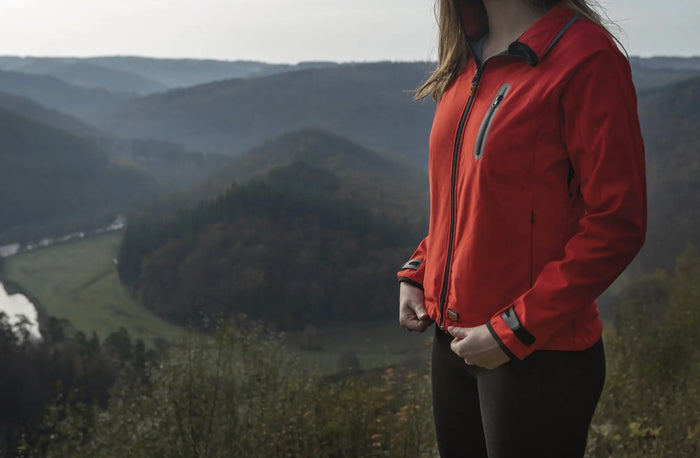
1. 30seven Heated Padded Jacket with Hood
The 30seven Heated Padded Jacket is the most direct choice for hikers looking for an insulated heated jacket rather than a separate heating layer.
It includes four heating zones positioned around:
- The neck
- The shoulders
- The kidneys
- The lower back
These areas are especially important during winter hiking because they can become exposed to wind and cold while the rest of the body remains active.
The jacket includes a removable hood and a drawstring with a cord lock to improve protection around the head and neck. According to the product information, it can provide up to five hours of heating when used with the 30seven super powerbank.
This makes it a practical option for a half-day winter hike, a cold morning walk around a mountain resort or a full-day outing where the heat is used selectively rather than continuously at maximum power.
"The 30seven Heated Padded Jacket features four heating zones at the neck, shoulders, kidneys and lower back, with up to five hours of heating using the compatible powerbank." — 30seven
Best for: Hikers who want an all-in-one heated jacket with integrated insulation and a hood.
2. 30seven Heated Sleeveless Vest
For active winter hiking, a heated vest can sometimes be more versatile than a full jacket. The 30seven Heated Sleeveless Vest is designed to fit under an outer jacket while adding warmth to the body’s core.
Its slim, lightweight construction makes it suitable for layering beneath:
- A fleece or wool mid-layer
- A down or synthetic insulated jacket
- A waterproof hardshell
- A ski jacket or winter hiking shell
The vest heats the neck, shoulders, kidney area and lower back. Because it leaves the arms free, it can be comfortable during steep climbs, trekking-pole use and technical terrain.
This option is particularly useful for hikers who generate a lot of heat while moving but still want additional warmth during exposed sections or rest stops.
Best for: Active hikers who want flexible layering and a lightweight heated solution.
3. 30seven Heated Baselayer
The 30seven Heated Baselayer places the heating elements close to the body, allowing warmth to be felt quickly under the rest of the clothing system.
It includes heating zones around the neck, shoulders, kidneys and lower back. Worn directly over a moisture-wicking base layer, it can act as a heated mid-layer while remaining relatively discreet beneath an insulated jacket.
A heated base layer can be a good choice for:
- Cold-sensitive hikers
- Early-season and midwinter Alpine routes
- People who prefer a close-to-body fit
- Hikers who alternate between intense movement and stationary periods
- Those who already own a high-quality waterproof outer jacket
The base layer is not a substitute for a technical shell. It is best used beneath a windproof and weather-resistant outer layer.
Best for: Hikers who already have a reliable outer jacket and want targeted core warmth.
Comparison Table
| Heated clothing option | Heating zones | Heating duration | Hood | Best use | Layering flexibility |
|---|---|---|---|---|---|
| Heated Padded Jacket | Neck, shoulders, kidneys, lower back | Up to 5 hours | Removable | Cold resort walks and moderate winter hikes | Medium |
| Heated Sleeveless Vest | Neck, shoulders, kidneys, lower back | Up to 5 hours | No | Active hiking and flexible layering | High |
| Heated Baselayer | Neck, shoulders, kidneys, lower back | Up to 5 hours with compatible powerbank | No | Close-to-body warmth under an outer shell | Very high |
The right choice depends on how you hike. If you want one garment that provides insulation and active heating, choose the heated padded jacket. If you prefer to adapt your layers throughout the day, a vest or heated baselayer may be more practical.
What to Look for in a Heated Jacket
1. Targeted heating zones
The best heated jackets for winter hiking should heat more than one area. A single heating panel may provide warmth, but multiple zones create a more balanced experience.
For Alpine hiking, heating around the neck, shoulders and lower back is especially useful because these areas are exposed to wind and can cool down during breaks.
2. Battery duration
Battery claims are normally based on lower heat settings and controlled conditions. Cold temperatures, wind, high heat settings and frequent switching can reduce actual runtime.
For a day in the Swiss Alps, consider:
- Charging the battery before departure
- Carrying a backup power source where permitted
- Using high heat briefly to warm up
- Switching to a lower setting once comfortable
- Keeping the battery in its designated pocket
30seven recommends charging batteries regularly, disconnecting them when garments are not in use and recharging them shortly before use.
"30seven recommends regular battery charging, disconnecting batteries when garments are not used and protecting chargers from moisture." — 30seven
3. Compatibility with your existing layers
A heated jacket should fit comfortably without restricting movement. Before buying, check whether you plan to wear it:
- Over a thermal shirt
- Under a hardshell
- Under a ski jacket
- Over a fleece
- With a backpack and hip belt
A slim heated vest or baselayer is often easier to integrate into a technical layering system than a bulky insulated jacket.
4. Weather protection
Heating does not automatically mean waterproofing. In the Swiss Alps, your outer layer should still protect against:
- Wind
- Snow
- Freezing rain
- Wet sleet
- Blowing snow
If your heated garment is not designed as a fully waterproof shell, wear it underneath a protective outer layer. This also helps conserve heat by reducing wind chill.
5. Removable heating technology
Removable heating elements make maintenance easier and can extend the usefulness of the garment. They allow you to remove the electrical components before washing and use the jacket as conventional clothing when active heating is unnecessary.
30seven states that its jacket and base-layer heating elements are removable, supporting easier care and longer-term use.
How to Layer Heated Clothing for Winter Hiking
A heated garment performs best when it is integrated into a traditional layering system.
Layer 1: Moisture-wicking base layer
Start with merino wool or synthetic thermal underwear. This layer should move perspiration away from the skin and avoid cotton, which can stay damp and become cold.
Layer 2: Heated garment
Place the heated baselayer or vest over the moisture-wicking layer. The heating elements should sit close enough to the body to provide warmth but never feel restrictive.
For a heated padded jacket, you may use a lighter base layer underneath.
Layer 3: Insulation
Add a fleece, wool sweater, down jacket or synthetic insulated layer depending on the temperature and activity level.
During an uphill climb, you may remove this layer to avoid overheating. During a break or descent, put it back on before you become cold.
Layer 4: Weatherproof shell
A windproof and waterproof shell protects the lower layers from Alpine weather. It also helps retain the heat generated by the heated garment.
This system is more adaptable than relying on maximum heating throughout the day.
📊 Up to 5 hours - 30seven heated jacket heating duration
Battery Life and Cold-Weather Performance
Lithium-ion batteries can lose performance in very cold conditions. To improve reliability:
- Charge the battery shortly before leaving.
- Keep it inside the garment’s designated pocket.
- Avoid leaving spare batteries exposed in an outside backpack pocket.
- Use the lowest comfortable heat setting once warmed up.
- Disconnect the battery before storing the garment.
- Recharge stored batteries regularly during the off-season.
- Keep chargers and battery connectors dry.
A useful strategy is to begin hiking on a medium setting, reduce the heat after the first climb and increase it again during rest stops. This can provide better comfort while preserving battery life.
For a long route, plan your heating time around the coldest parts of the hike rather than running the jacket continuously. The coldest moments may occur before sunrise, on exposed ridgelines, during lunch or while waiting for transport.
Safety and Care Tips
Heated clothing is designed to provide comfort, but it should be used responsibly.
Follow the product instructions
Use only the recommended battery and charger. Do not modify cables, heating elements or connectors. Disconnect the battery if the garment becomes damaged or if the system behaves unusually.
Protect electronics from moisture
Snow and humidity are common in the Swiss Alps. Follow the garment’s care instructions and do not expose the charger to water.
Do not rely on heated clothing as emergency equipment
A heated jacket can support thermal comfort, but it should not replace:
- A waterproof shell
- Emergency insulation
- Navigation equipment
- Adequate food and water
- A first-aid kit
- Weather and avalanche checks
- A realistic turnaround plan
Before heading into snowy terrain, consult local weather and avalanche information. Stay on marked, open routes unless you have the appropriate training and equipment for more demanding terrain.
"Swiss authorities recommend checking official avalanche information, following local guidance and avoiding dangerous terrain when avalanche danger is high." — U.S. Embassy in Switzerland and Liechtenstein
Wash the garment correctly
Always remove the battery and follow the care label. Do not wring garments containing heating elements, and make sure all connectors are dry before reconnecting the system.
Which 30seven Heated Jacket Is Best for You?
| Your hiking style | Recommended option | Why |
|---|---|---|
| You want an insulated jacket with a hood | Heated Padded Jacket | Combines padding, targeted heat and neck protection |
| You hike actively and adjust layers often | Heated Sleeveless Vest | Lightweight, flexible and easy to wear under a shell |
| You already own a technical outer jacket | Heated Baselayer | Places warmth close to the body without adding much bulk |
| You frequently stop for photos or lunch | Heated Padded Jacket or Vest | Helps restore warmth during stationary periods |
| You are sensitive to cold around the back and shoulders | Any 30seven heated core layer | Provides heat across the neck, shoulders, kidneys and lower back |
Questions Fréquentes
What is the best heated jacket for winter hiking in the Swiss Alps?
The best option depends on your layering preferences. The 30seven Heated Padded Jacket is suitable if you want an insulated jacket with a removable hood and integrated heating. The Heated Sleeveless Vest or Heated Baselayer may be better for active hikers who already use a technical shell.
Can I wear a heated jacket under a waterproof shell?
Yes, provided the fit allows comfortable movement and does not compress the heating elements. A heated vest or baselayer is often the easiest option to wear beneath a waterproof outer shell.
How long does a 30seven heated jacket battery last?
The 30seven Heated Padded Jacket is advertised with up to five hours of heating when used with the compatible super powerbank. Actual runtime depends on the heat setting, outside temperature, wind and battery condition.
Are heated jackets safe for mountain hiking?
Heated jackets can be used safely when the manufacturer’s instructions are followed. Use the correct battery, keep electrical components dry, inspect cables regularly and disconnect the battery when the garment is not in use. Heated clothing should complement—not replace—proper Alpine safety equipment.
Should I use a heated jacket instead of a traditional winter jacket?
No. Heated clothing works best as part of a complete layering system. You should still wear appropriate insulation and a windproof, weather-resistant outer layer for winter hiking in the Swiss Alps.
Chiffres Clés
📊 Up to 5 hours: Advertised heating duration for the 30seven Heated Padded Jacket when used with the compatible super powerbank.
Source: 30seven product information
🔥 4 heating zones: The 30seven Heated Padded Jacket distributes warmth across the neck, shoulders, kidneys and lower back.
Source: 30seven product information
🔋 Up to 1,000 recharge cycles: 30seven states that its rechargeable lithium batteries can be recharged at least 1,000 times under its technology specifications.
Source: 30seven usage information
🏔️ Four-layer approach: A practical Alpine clothing system typically combines a moisture-wicking base layer, heated or insulating mid-layer and weatherproof outer protection, with additional insulation added when conditions require it.
Conclusion
The best heated jacket for winter hiking in the Swiss Alps is not necessarily the one with the highest heat output. It is the one that fits your activity level, integrates with your existing layers and provides dependable warmth when temperatures drop.
For an all-in-one solution, the 30seven Heated Padded Jacket offers targeted heating around the neck, shoulders, kidneys and lower back, plus a removable hood and integrated insulation. For greater flexibility, the 30seven Heated Sleeveless Vest and Heated Baselayer can be worn under a weatherproof shell and adjusted throughout the day.
Whichever option you choose, combine heated clothing with moisture management, proper insulation, weather protection and responsible mountain planning. Explore the 30seven heated apparel range to find the right solution for comfortable, confident winter hiking in the Swiss Alps.


