








Common Mistakes to Avoid When Using Battery-Powered Heated Apparel in Sub-Zero Temperatures
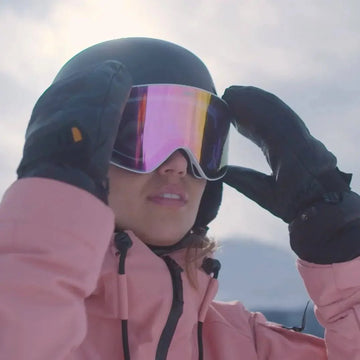
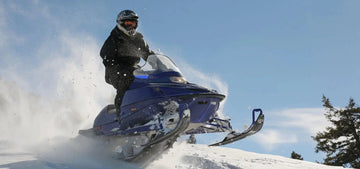
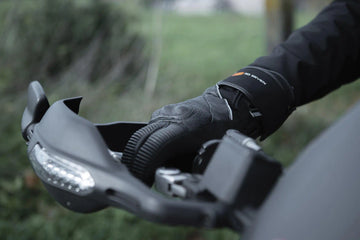
Battery-powered heated apparel can make a major difference when you are skiing in Colorado, commuting through a cold city, working outdoors, or riding a motorcycle in winter. Heated jackets, heated gloves, heated socks, and heated insoles provide targeted warmth where traditional thermal wear may not be enough.
However, sub-zero temperatures place extra demands on both your body and your battery. A lithium-ion battery can lose usable capacity in severe cold, while poor charging and storage habits may reduce its lifespan or create safety risks.
To get the best performance from your 30seven heated apparel, avoid these common mistakes.
Table of Contents
- 1. Taking a Cold Battery Straight Outdoors
- 2. Charging a Battery Below Freezing
- 3. Assuming the Advertised Runtime Is Guaranteed
- 4. Using Maximum Heat All Day
- 5. Wearing Heated Apparel Without Proper Insulation
- 6. Exposing Batteries to Moisture
- 7. Ignoring Cables, Connectors, and Battery Pockets
- 8. Washing Heated Clothing Incorrectly
- 9. Storing Batteries Empty or Connected
- 10. Failing to Carry a Backup Plan
- Safe Cold-Weather Routine
- Questions Fréquentes
- Chiffres Clés
- Conclusion
1. Taking a Cold Battery Straight Outdoors
One of the most common mistakes is storing the battery in an exposed outer pocket, vehicle trunk, or backpack overnight and then expecting it to deliver normal performance immediately.
Cold temperatures increase internal resistance in lithium-ion batteries. As a result, the battery may appear fully charged but provide less usable energy once exposed to freezing conditions. In very cold weather, your heated gloves or heated jacket may therefore run for less time than expected.
A better approach
- Charge the battery indoors, according to the manufacturer’s instructions.
- Keep the battery in an insulated inner pocket before connecting it to your clothing.
- Avoid leaving spare batteries in an unheated car overnight.
- Place the battery close to your body when practical, while keeping it protected from sweat and moisture.
- Allow a very cold battery to warm gradually indoors before using or charging it.
Never heat a battery directly with a radiator, stove, hot-air blower, or other intense heat source. Sudden or excessive heat can damage the pack.
2. Charging a Battery Below Freezing
Using a lithium-ion battery in cold weather is not the same as charging it in cold weather. Many rechargeable lithium-ion batteries can discharge in low temperatures, but charging below the permitted temperature can cause permanent damage.
When lithium-ion batteries are charged below freezing, metallic lithium can form inside the cell. This may reduce capacity and increase the risk of future failure. Always follow the specific charging instructions supplied with your 30seven battery and charger.
"Consumer-grade lithium-ion batteries generally should not be charged below 0°C (32°F) unless specifically designed and certified for low-temperature charging" — Battery University, “BU-410: Charging at High and Low Temperatures”
A safer charging routine
- Disconnect the battery from your heated apparel.
- Bring it indoors and let it return to room temperature naturally.
- Inspect the battery and cable for moisture, cracks, swelling, or other damage.
- Charge it with the approved charger.
- Stop charging if the battery becomes unusually hot, smells abnormal, or shows signs of damage.
Do not place a frozen or visibly wet battery on charge. If you are unsure whether it is safe to use, contact the manufacturer before reconnecting it.
3. Assuming the Advertised Runtime Is Guaranteed
Runtime figures are useful for planning, but they are not fixed promises under every condition. Battery performance depends on several factors:
- Outdoor temperature
- Heat setting
- Battery age
- Wind exposure
- Activity level
- Garment insulation
- Battery charge level
- Frequency of switching the heating system on and off
Sub-zero temperatures can reduce the amount of energy available from a battery. Running a heated jacket or heated gloves continuously on the highest setting will also consume energy faster than using a lower or intermediate setting.
30seven heated clothing is designed to provide targeted warmth through integrated heating zones, including areas such as the neck, shoulders, lower back, hands, and fingers depending on the product. This makes it possible to adjust heat according to your activity and comfort rather than relying on maximum output at all times.
📊 May be shorter than the stated maximum runtime - Battery runtime in severe cold
Plan around your real conditions
If you are spending a full day skiing, snowmobiling, trekking, or working outside, treat the published runtime as an estimate under specified test conditions. Charge the battery fully before departure and consider carrying an approved spare battery if your activity takes you far from shelter.
4. Using Maximum Heat All Day
Maximum heat can feel appealing when you first step outside, but it is rarely the most efficient setting for an entire day.
A better strategy is to warm up gradually:
- Use a higher setting briefly at the beginning of an activity.
- Reduce the heat once your body temperature stabilizes.
- Increase the setting during rest periods, chairlift rides, or low-activity moments.
- Lower the heat during strenuous movement to conserve battery power.
- Monitor how your hands, feet, and core feel instead of waiting until you become uncomfortably cold.
This approach can extend battery life while maintaining a more consistent level of comfort.
It also helps prevent overheating. Heated apparel should complement your clothing system, not replace it. If you become sweaty, moisture can later make you feel colder when your activity level drops.
5. Wearing Heated Apparel Without Proper Insulation
Heated clothing is not a substitute for a complete cold-weather layering system. A heating element produces warmth, but insulation helps retain it.
For sub-zero conditions, combine heated apparel with:
- A moisture-wicking base layer
- An insulating mid-layer
- A wind-resistant outer layer
- Warm socks and suitable footwear
- A hat, neck warmer, or balaclava
- Waterproof protection when snow or rain is present
Avoid compressing heated clothing under excessively tight layers. Tight clothing may reduce comfort, restrict movement, and interfere with the garment’s ability to distribute warmth effectively.
For heated gloves, choose a fit that leaves enough room for your fingers to move without creating excessive empty space. For heated socks or insoles, ensure your footwear is not so tight that it restricts circulation.
Heated apparel works best when warmth, insulation, circulation, and moisture management are considered together.
6. Exposing Batteries to Moisture
Snow, rain, sweat, and condensation can all create problems for batteries and electrical connectors. Even if the garment is designed for outdoor use, the battery and connection points still require care.
Common mistakes include:
- Leaving the battery pocket open during snowfall
- Connecting a damp battery
- Storing wet batteries inside sealed plastic bags
- Placing a battery directly against sweaty clothing
- Pulling on the cable instead of the connector
- Using a heated garment before it has dried completely
Keep the battery inside its designated pocket and secure the pocket whenever possible. If moisture reaches the battery or connector, disconnect the system and allow everything to dry naturally in a warm, ventilated indoor space.
Do not use a hair dryer, heater, or other high-temperature device to accelerate drying.
7. Ignoring Cables, Connectors, and Battery Pockets
In freezing conditions, small components can become stiff and more vulnerable to stress. A cable caught under a backpack strap or pulled while putting on a jacket may eventually loosen the connection or damage the wiring.
Before leaving home:
- Check that the connector is fully inserted.
- Confirm that the cable is not twisted or sharply bent.
- Make sure the battery sits securely in its pocket.
- Route cables so they do not interfere with zippers, ski bindings, motorcycle controls, or work equipment.
- Inspect the garment for fraying, exposed wires, or damaged heating zones.
If your 30seven heated apparel does not switch on, cuts out repeatedly, or behaves unusually, stop using it until you have checked the connections and consulted the relevant product guidance.
8. Washing Heated Clothing Incorrectly
Washing heated apparel with the battery still connected is a serious and avoidable mistake. It can damage the battery, electrical connections, heating elements, or garment controls.
Before washing a heated jacket, vest, base layer, glove, sock, or insole:
- Remove the battery.
- Disconnect the cable carefully.
- Secure or protect the garment connector as instructed.
- Follow the care label for the specific product.
- Allow the garment to dry fully before reconnecting the battery.
30seven product information indicates that certain garments can be washed on a cold program at 30°C, but batteries must be removed first. Always check the care instructions for your exact item rather than assuming that every heated product can be treated identically.
"30seven product care instructions specify washing certain heated garments without batteries on a cold 30°C program and advise against dry cleaning, bleaching, and ironing" — 30seven product information
Never connect a battery to clothing that is damp inside, even if the outer fabric appears dry.
9. Storing Batteries Empty or Connected
Leaving a battery connected to heated clothing during storage can create unnecessary stress on the battery and the garment’s electrical system. Storing a lithium-ion battery completely empty for an extended period may also make it difficult to recharge later.
At the end of the winter season—or whenever the apparel will not be used for several weeks:
- Remove the battery from the garment.
- Clean and dry the garment according to its care instructions.
- Inspect the battery for swelling, cracks, corrosion, or unusual odor.
- Store the battery separately in a cool, dry indoor location.
- Avoid direct sunlight, excessive heat, and high humidity.
- Follow the manufacturer’s recommendations for long-term charge level and maintenance.
Do not store damaged batteries. Place them aside safely and follow local battery-recycling guidance or contact the manufacturer for advice.
10. Failing to Carry a Backup Plan
Battery-powered heated apparel is an excellent cold-weather tool, but it should not be your only protection against severe cold.
A battery can run out, a connector can become damaged, or weather conditions can change unexpectedly. This matters particularly for people working outdoors, riding motorcycles, skiing away from base areas, or hiking in remote locations.
Your backup plan should include:
- Traditional insulating layers
- Dry spare gloves or socks
- A hat and neck covering
- Emergency shelter or access to a warm location
- A charged phone stored in a protected inner pocket
- An approved spare battery for longer outings
- Knowledge of early cold-stress symptoms
If you experience persistent numbness, confusion, severe shivering, loss of coordination, or unusual drowsiness, stop your activity and seek warmth and medical assistance when necessary. Heated clothing can improve comfort, but it does not eliminate the risks of prolonged cold exposure.
Safe Cold-Weather Routine
Use this checklist before every sub-zero outing:
| Step | What to do |
|---|---|
| Charge | Charge the battery indoors with the approved charger |
| Inspect | Check the battery, cable, connector, and garment for damage |
| Warm | Keep the battery protected from extreme cold before use |
| Layer | Wear suitable insulation and weather protection |
| Adjust | Start at a moderate setting and increase heat when needed |
| Protect | Keep battery pockets closed and connectors dry |
| Monitor | Watch for reduced runtime, unusual heat, swelling, or odors |
| Store | Remove the battery after use and store it separately |
This routine is simple, but it can improve comfort, preserve battery life, and reduce preventable problems throughout the winter.
Questions Fréquentes
Can heated clothing batteries be used in sub-zero temperatures?
Many heated clothing batteries are designed to operate in cold conditions, but sub-zero temperatures can reduce runtime and output. Keep the battery protected from extreme cold when possible, use the garment according to its instructions, and do not assume that cold-weather operation means cold-weather charging is safe.
Can I charge a lithium-ion heated clothing battery below freezing?
Do not charge the battery below freezing unless the manufacturer specifically states that the battery and charger are designed for that condition. In most cases, bring the battery indoors and allow it to reach room temperature before charging.
Why does my heated jacket run for less time in very cold weather?
Cold temperatures increase battery resistance and reduce the amount of usable energy available. Maximum heat settings, wind exposure, battery age, and frequent use can also shorten runtime. Keeping the battery insulated and using the lowest comfortable heat setting can help.
Should I wear heated gloves over or under regular gloves?
Follow the design of the specific product. Heated gloves are generally worn as the primary glove, while liners or outer shells may be used only if they do not restrict movement, compress the heating zones, or interfere with the manufacturer’s instructions.
What should I do if a heated apparel battery becomes swollen or unusually hot?
Stop using and charging it immediately. Disconnect it if this can be done safely, move it away from flammable materials, and contact the manufacturer or follow local battery-disposal guidance. Do not puncture, open, crush, or continue using a swollen battery.
Chiffres Clés
📊 0°C / 32°F: A commonly cited lower limit for charging standard consumer lithium-ion batteries unless the battery is specifically designed for low-temperature charging.
Source: Battery University
🔋 Up to 8–10 hours: Runtime reported by 30seven for certain heated glove configurations, depending on conditions and settings.
Source: 30seven
🌡️ Sub-zero conditions reduce available battery performance: Cold increases internal resistance and can shorten the practical runtime of rechargeable batteries.
Source: U.S. Department of Energy battery research
📊 Reduced usable capacity and shorter runtime in low temperatures - Cold-weather battery performance
Conclusion
Battery-powered heated apparel can transform a cold-weather experience, whether you are skiing in Colorado, cycling through a winter city, riding a motorcycle, or working outdoors. The key is understanding that severe cold affects both your body and your battery.
Avoid charging a frozen battery, protect battery packs from moisture, use realistic runtime expectations, adjust heat settings intelligently, and maintain a proper insulating layer system. Remove batteries before washing and storage, inspect all connections regularly, and carry a backup plan for longer or remote activities.
With the right habits, 30seven heated jackets, heated gloves, heated socks, and other heated apparel can deliver reliable comfort and practical warmth throughout the coldest days of the year. Explore the 30seven heated clothing range and choose the equipment that matches your activity, environment, and winter routine.


