










How to Maintain and Extend the Battery Life of Your 30seven Heated Winter Sports Gear

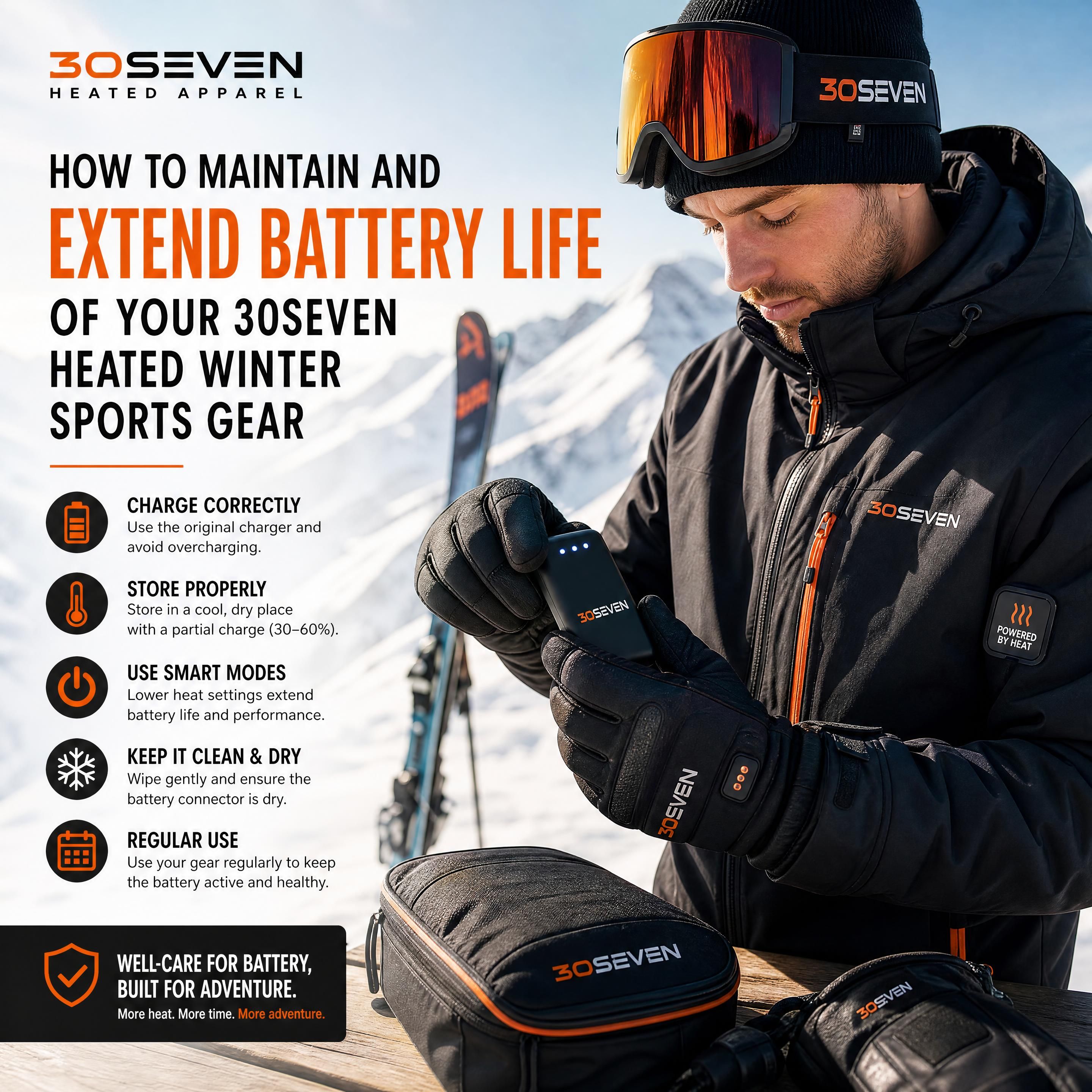
A reliable battery can make the difference between enjoying a full day outdoors and cutting your winter adventure short. Whether you use heated gloves, heated mittens, heated socks, or another piece of 30seven heated apparel, proper battery care helps preserve runtime, performance, and long-term capacity.
The good news is that extending the battery life of your heated winter sports gear does not require complicated equipment or technical knowledge. A few consistent habits—using the correct charger, avoiding extreme temperatures, disconnecting batteries after use, and storing them properly—can help your 30seven heated clothing perform reliably season after season.
This guide explains how to charge, use, clean, and store your batteries safely, with practical advice for skiing, snowboarding, snowmobiling, winter hiking, and other cold-weather activities.
Table of Contents
- Why Battery Care Matters for Heated Clothing
- How to Charge 30seven Batteries Correctly
- How Heat Settings Affect Battery Runtime
- Cold Weather and Battery Performance
- How to Store Batteries During the Off-Season
- Cleaning and Caring for Heated Winter Sports Gear
- Battery Maintenance Checklist
- Frequently Asked Questions
- Key Statistics
- Conclusion
Why Battery Care Matters for Heated Clothing
Rechargeable batteries naturally lose capacity over time. However, poor charging habits, prolonged exposure to heat, deep discharge, and incorrect storage can accelerate this process.
For heated winter sports gear, battery care is especially important because cold environments already place additional demands on battery performance. A battery that is not maintained correctly may appear to drain faster, take longer to charge, or provide less consistent heat.
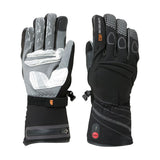
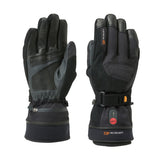
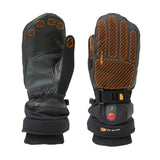
30seven heated apparel is designed to provide adjustable warmth when you need it most. For example, several 30seven heated gloves and mittens offer three heat levels, allowing users to balance warmth and runtime according to their activity and weather conditions.
Battery performance depends on the product, temperature, selected heat level, battery condition, and usage habits. Always follow the instructions supplied with your specific 30seven product.
📊 Up to 7 hours on low heat and approximately 2.5 hours on high heat - 30seven heated glove runtime
How to Charge 30seven Batteries Correctly
Use the specified charger
Always charge your 30seven batteries with the charger supplied or specifically approved for your product. Using an incompatible charger may affect charging performance, reduce battery life, or create a safety risk.
Different rechargeable batteries and charging systems can have different voltage and current requirements. A charger that appears to fit may not necessarily be suitable.
"30seven recommends using the specified charger because another charger may affect battery life and safety" — 30seven
Charge shortly before use
30seven recommends charging batteries shortly before they are needed, such as the night before a ski trip or winter hike. Rechargeable batteries gradually lose energy while sitting unused, even when the heated clothing is switched off.
A practical routine is:
- Disconnect the battery from the garment after your activity.
- Inspect the cable and connector for moisture or damage.
- Charge the battery using the specified charger.
- Unplug the charger when charging is complete.
- Pack the batteries in a protected, dry place before leaving.
Charging the night before your activity helps ensure that the battery starts with a useful level of capacity without remaining connected unnecessarily for long periods.
Avoid habitual insufficient charging
A battery does not always need to be completely full to operate. However, repeatedly using and recharging it without allowing it to recover properly may affect its long-term performance.
If you are preparing for a full day on the slopes, charge the batteries according to the product instructions before departure. For shorter activities, a partial charge may be sufficient, but avoid making low-charge operation your regular routine.
Never charge a frozen battery immediately
After a day of skiing or snowboarding, your batteries may be very cold. Allow them to return to room temperature before charging. Charging batteries while they are still exposed to freezing conditions can reduce charging efficiency and may damage the cells.
Do not place cold batteries directly on a radiator or near a heater to warm them quickly. Let them warm naturally in a dry indoor environment.
How Heat Settings Affect Battery Runtime
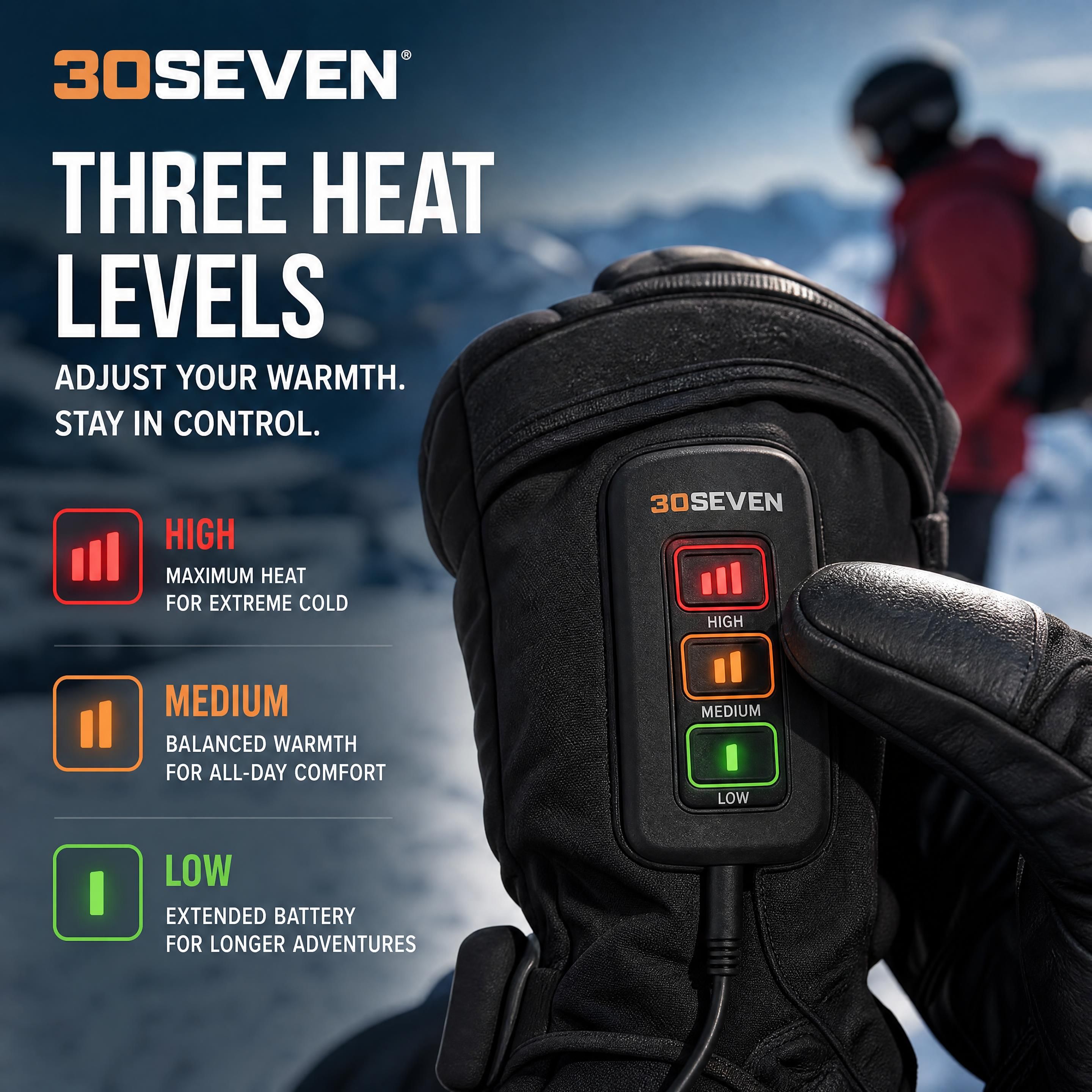
The highest heat setting consumes more energy than the lowest setting. While high heat can be useful when you first arrive at a cold ski resort or take a break in freezing conditions, it may not be necessary throughout the entire day.
A more efficient approach is to adjust the heat level as conditions change:
- High: Use briefly when your hands or feet need rapid warmth.
- Medium: Suitable for prolonged exposure to cold temperatures.
- Low: Often sufficient once your body has warmed up or during active movement.
For example, a snowboarder may use high heat while waiting at the lift, then reduce the setting while riding. A winter cyclist may use medium heat during a commute and switch to low heat during less exposed sections of the route.
Reducing the heat setting when maximum warmth is no longer necessary can help extend the battery runtime during the same outing.
Use insulation to reduce energy consumption
Active heating works best when combined with good insulation. Keep your heated gloves, socks, or other apparel covered by suitable outer layers where appropriate, while avoiding excessive compression that could restrict comfort or airflow.
For heated gloves and mittens:
- Make sure the fit is comfortable rather than overly tight.
- Keep snow and moisture away from battery compartments and connectors.
- Use compatible liners only if recommended for the product.
- Avoid folding or crushing areas containing heating elements.
The better your clothing retains warmth, the less often you may need to use the highest heat setting.
Cold Weather and Battery Performance
Cold temperatures can temporarily reduce the available output of rechargeable batteries. This does not always mean the battery is permanently damaged. In many cases, performance improves after the battery returns to a moderate temperature.
To help manage battery performance outdoors:
- Start with fully charged batteries.
- Keep battery compartments protected from snow and moisture.
- Position batteries close to your body when the product design allows it.
- Avoid leaving spare batteries exposed in an outside pocket for long periods.
- Carry spare batteries in a secure, insulated location if permitted by the product instructions.
- Do not charge batteries outdoors in freezing conditions.
During extended winter activities, avoid waiting until the battery is completely depleted before adjusting your plans. If the battery indicator shows a low level, reduce the heat setting where possible and move to a sheltered location if additional warmth or charging is required.
"Lithium-ion batteries generally charge less effectively at low temperatures, and charging below freezing should be avoided unless the manufacturer specifically permits it" — Battery University
How to Store Batteries During the Off-Season
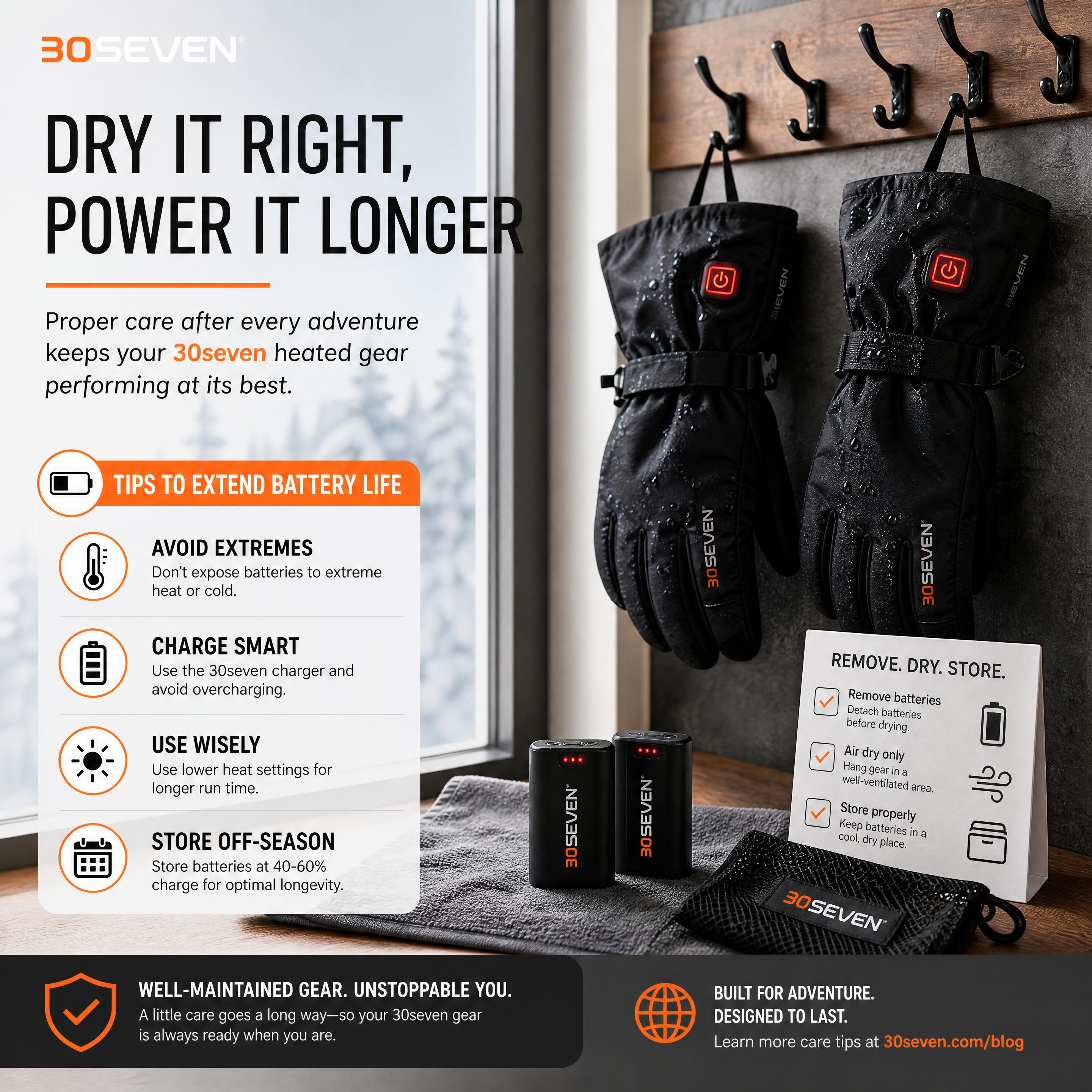
Proper summer storage is just as important as daily winter care. If you put your heated clothing away for several months, remove the batteries from the garments and store them separately.
Follow this off-season storage routine
- Disconnect the batteries from the heated clothing.
- Clean and dry the garments according to their care instructions.
- Check the batteries and cables for damage, swelling, corrosion, or unusual odors.
- Store batteries in a cool, dry location away from direct sunlight.
- Keep them away from extreme heat, including hot cars, radiators, and window ledges.
- Recharge the batteries at least every three months, even when they are not in regular use.
- Inspect them before the next winter season and follow the normal charging procedure.
30seven specifically recommends regular charging at least every three months to help prolong battery life during periods of non-use.
"30seven recommends charging batteries at least every three months, including during summer storage" — 30seven
Avoid long-term storage at extreme charge levels
For long-term storage, rechargeable lithium-ion batteries generally benefit from being stored with a moderate level of charge rather than completely empty or permanently full. The exact recommendation for your product should always take priority.
Never store a battery that is visibly swollen, leaking, cracked, overheating, or otherwise damaged. Do not attempt to repair a damaged battery yourself. Follow local guidance for battery recycling or contact the retailer for support.
Keep batteries away from metal objects
When storing or transporting spare batteries, avoid loose contact with keys, coins, tools, or other metal objects. A protective case or separate compartment can help reduce the risk of short circuits.
Cleaning and Caring for Heated Winter Sports Gear
Battery longevity also depends on how you care for the garment itself. Moisture, impact, and improper washing can damage electrical connections or heating elements.
Before cleaning:
- Disconnect and remove the battery.
- Check the product’s specific care instructions.
- Never immerse battery packs in water.
- Do not wash a product in a washing machine unless the instructions explicitly allow it.
- Do not wring heated gloves or mittens.
- Avoid bleach, harsh chemicals, and dry-cleaning fluids when prohibited.
- Allow the garment to air-dry completely before reconnecting the battery.
Several 30seven heated glove products advise users to rinse the fabric with water, air-dry the item, and avoid wringing because this can damage the integrated heating elements.
"30seven care instructions advise removing the battery, rinsing where applicable, air-drying, and avoiding wringing or dry-cleaning fluids" — 30seven heated glove product information
Battery Maintenance Checklist
Use this quick checklist before and after every winter sports session.
Before your activity
- Charge the batteries with the specified charger.
- Check the battery casing, cables, and connectors.
- Confirm that the garment is completely dry.
- Pack batteries securely and protect them from unnecessary cold.
- Select the lowest heat setting that provides sufficient comfort.
During your activity
- Adjust the heat level instead of leaving it permanently on high.
- Keep connectors protected from snow and moisture.
- Avoid sharply bending, crushing, or pulling battery cables.
- Monitor runtime if you are far from shelter or transport.
After your activity
- Switch off the heated clothing.
- Disconnect the batteries.
- Dry the garment naturally.
- Allow cold batteries to return to room temperature before charging.
- Recharge shortly before the next use rather than leaving batteries connected indefinitely.
Frequently Asked Questions
How often should I charge my 30seven heated clothing batteries?
Charge them shortly before use and recharge them at least every three months during periods of storage. Regular maintenance charging helps prevent the battery from remaining unused for too long.
Can I charge my 30seven batteries immediately after skiing?
If the batteries are very cold, allow them to return to room temperature in a dry indoor environment first. Do not charge a frozen battery or use direct heat to warm it rapidly.
Should I always use the highest heat setting?
No. The highest setting uses more energy and generally provides a shorter runtime. Use high heat when you need rapid warmth, then reduce the setting to medium or low when comfortable.
Can I leave the batteries connected to my heated gloves?
It is better to disconnect the batteries when the heated clothing is not being used. Leaving them connected can continue to consume a small amount of power and makes proper storage more difficult.
What should I do if a battery is swollen or damaged?
Stop using and charging it immediately. Keep it away from heat and flammable materials, do not puncture or open it, and follow local battery recycling or disposal guidance. Contact the retailer if you need product-specific support.
Key Statistics
📊 Up to 7 hours: 30seven heated gloves can provide up to seven hours of warmth on a low heat setting, depending on the product and conditions.
⚡ Approximately 2.5 hours: On the highest setting, some 30seven heated gloves provide around 2.5 hours of runtime.
🔋 At least every three months: 30seven recommends recharging batteries regularly during storage, including throughout the summer.
🌡️ Temperature matters: Lithium-ion batteries generally experience reduced charging performance in very cold conditions, making room-temperature charging an important maintenance habit.
Conclusion
The best way to extend the battery life of your 30seven heated winter sports gear is to combine correct charging with thoughtful everyday use. Use the specified charger, recharge shortly before activities, disconnect batteries after use, avoid charging them while frozen, and store them in a cool, dry place during the off-season.
You can also increase runtime by choosing the lowest heat setting that keeps you comfortable and protecting your gear from moisture, impact, and improper cleaning. With these simple habits, your 30seven heated gloves, mittens, socks, and other heated apparel can deliver dependable warmth and performance across many winter adventures.
When you are ready to prepare for your next ski trip, snowboard session, winter commute, or cold-weather expedition, explore the complete range of 30seven heated winter sports gear and choose the equipment that helps you stay warm, comfortable, and ready for the outdoors.


